1966 Sears Blue Badge
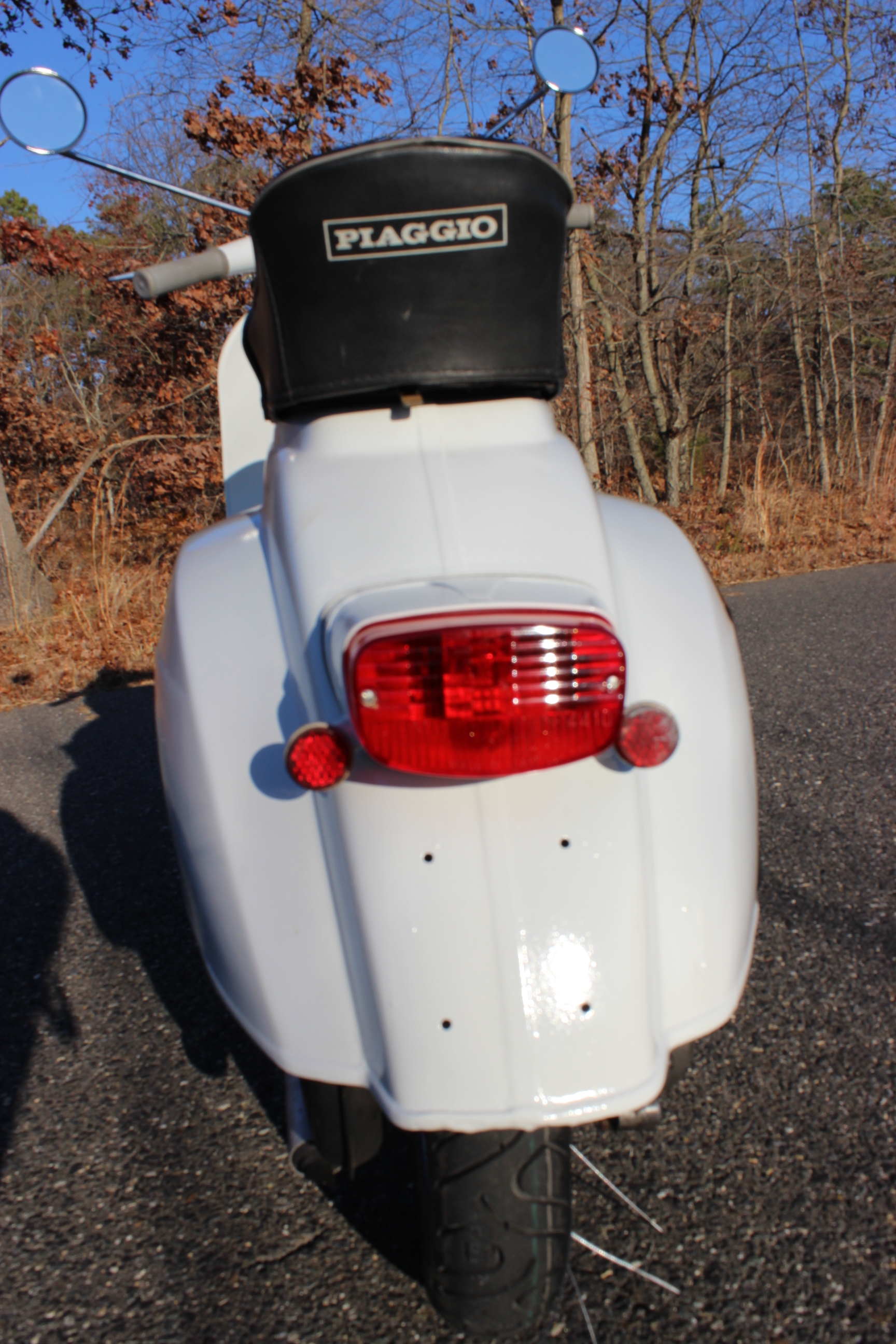
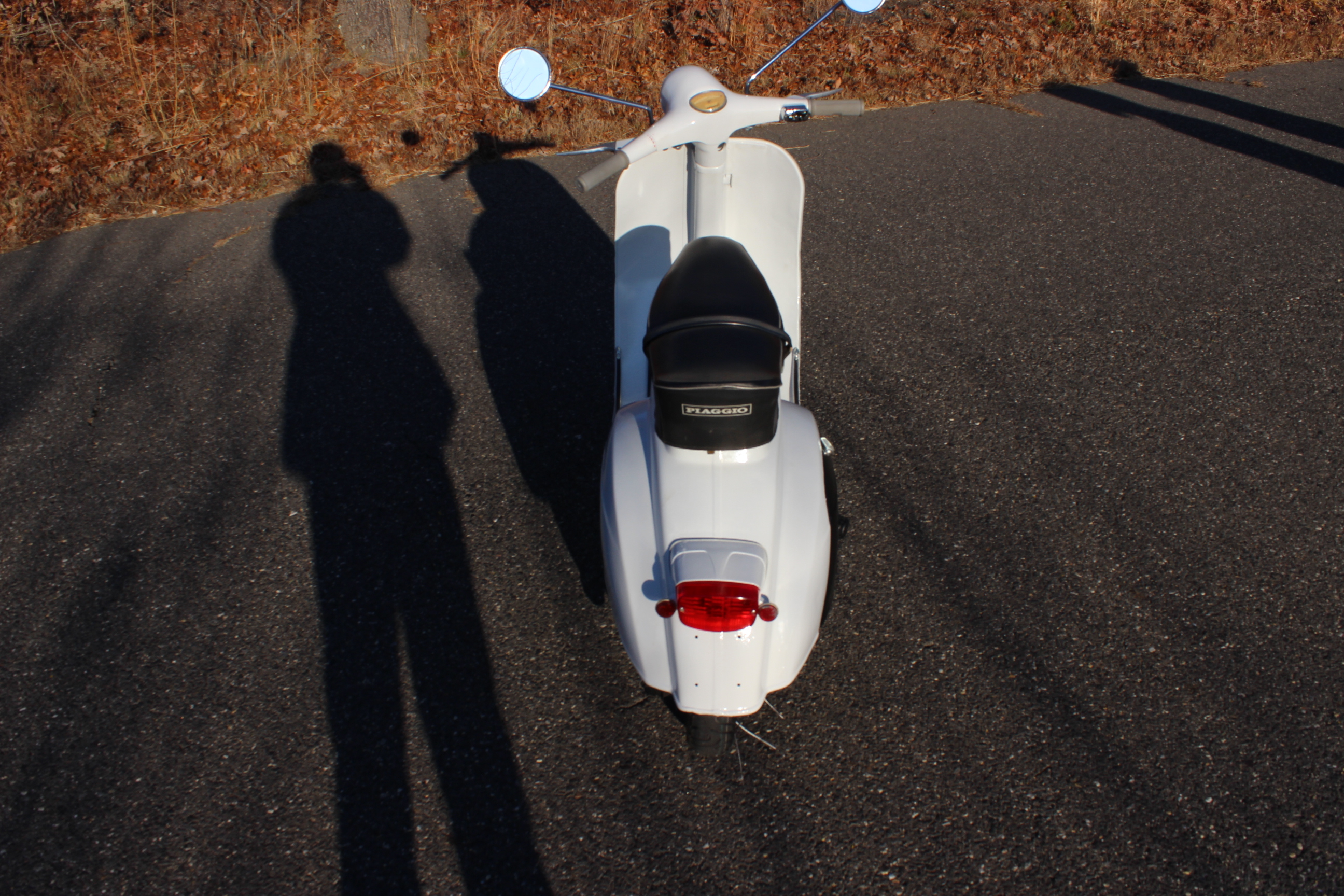
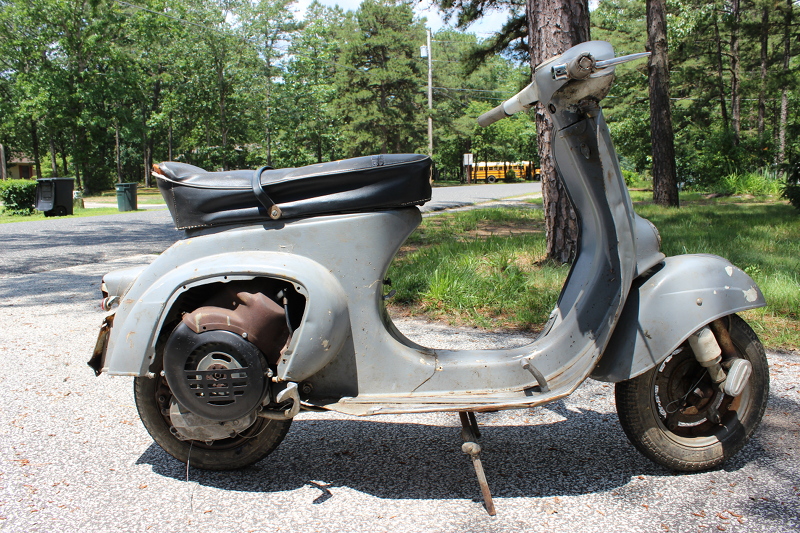
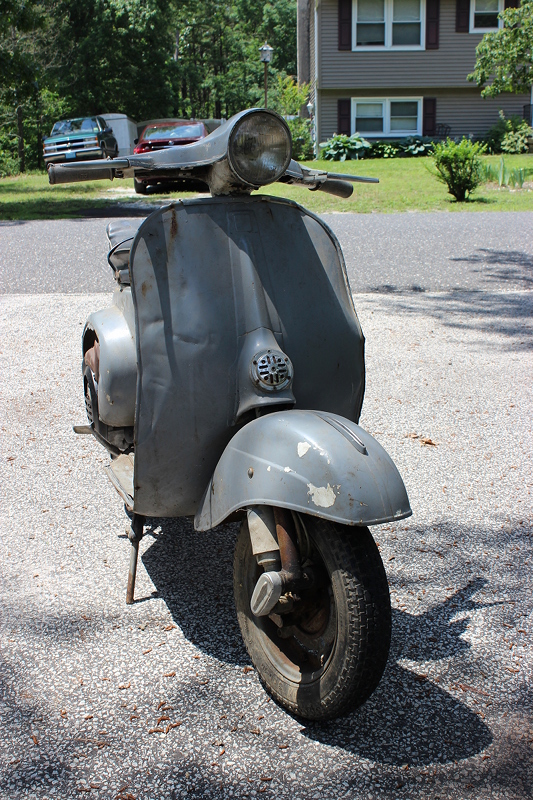
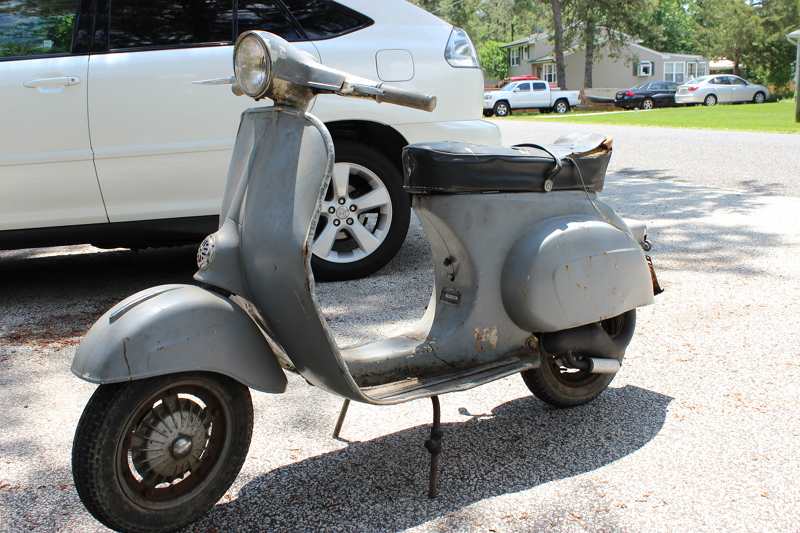
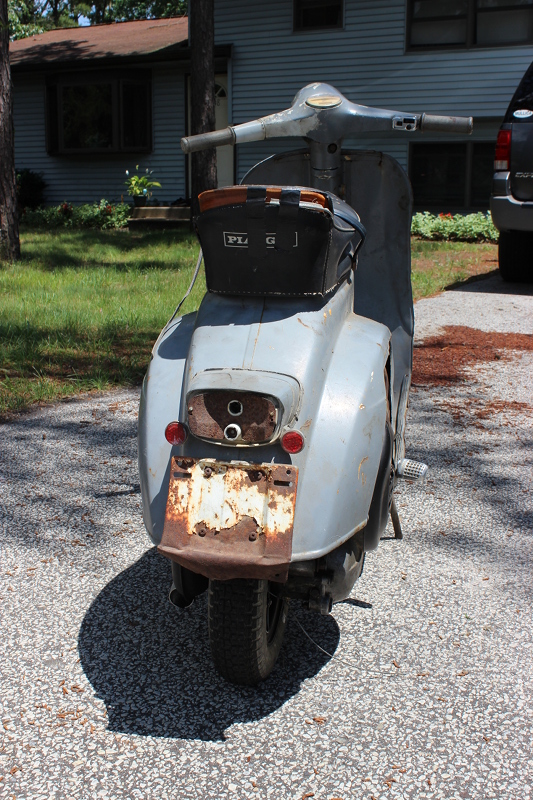
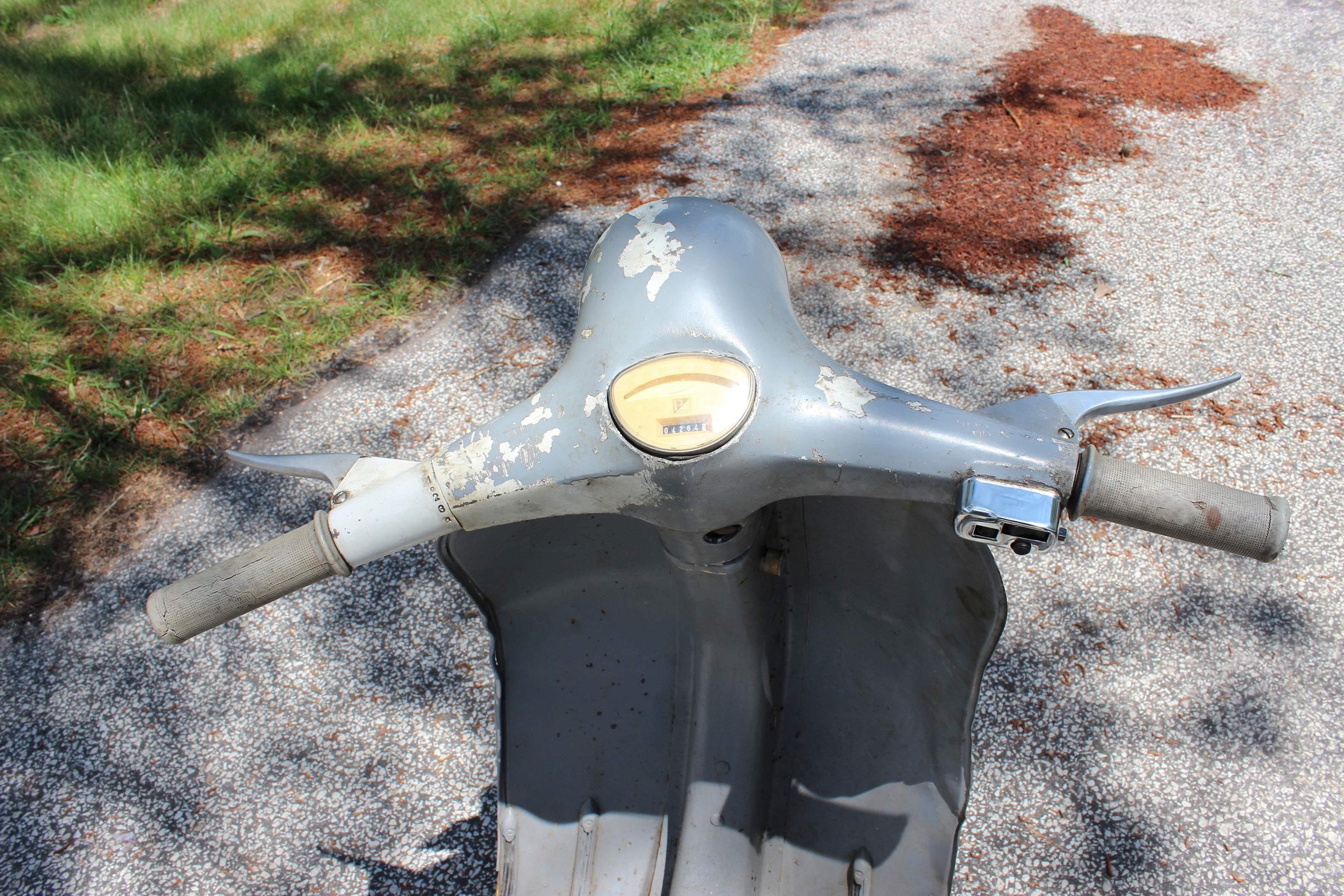
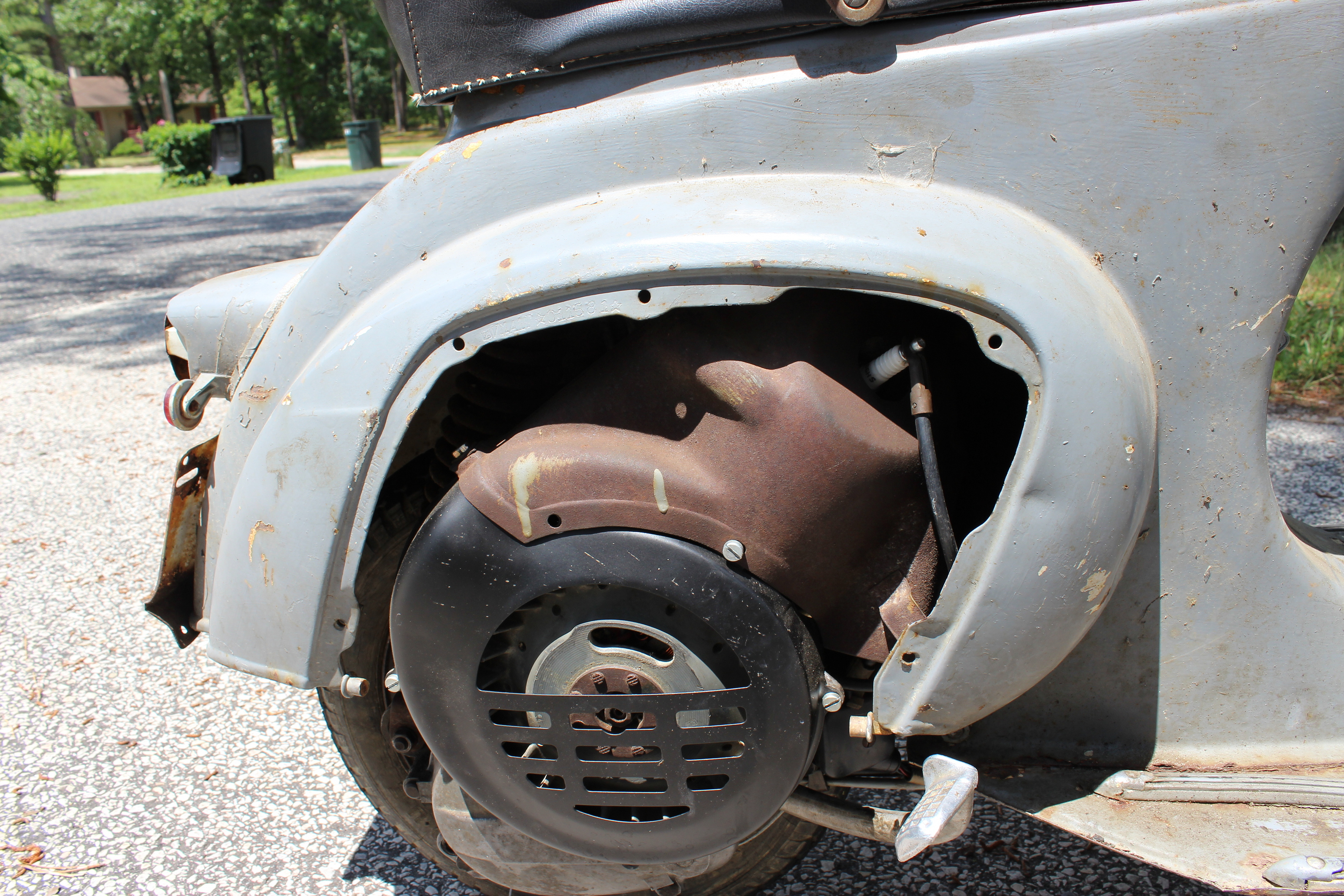
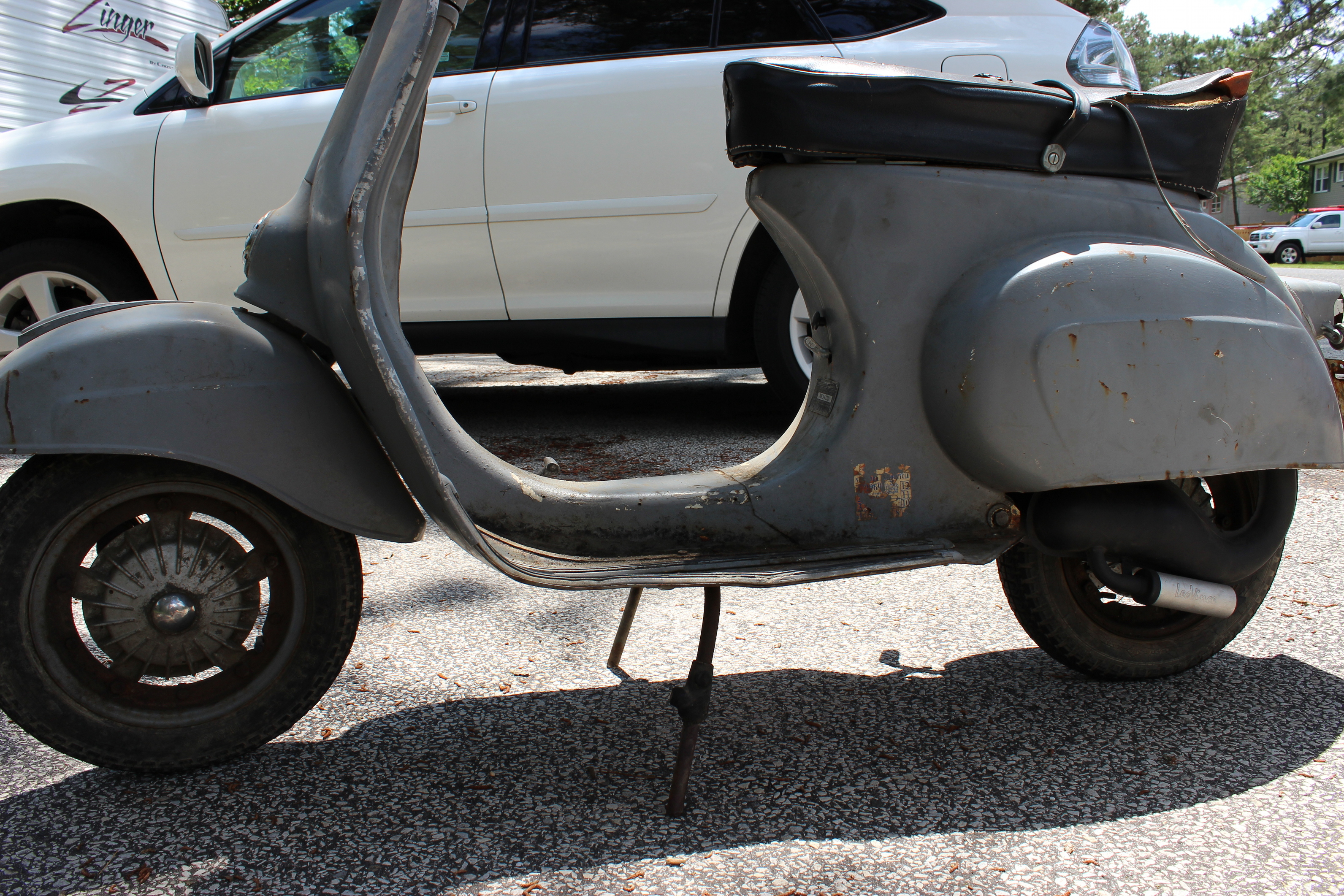
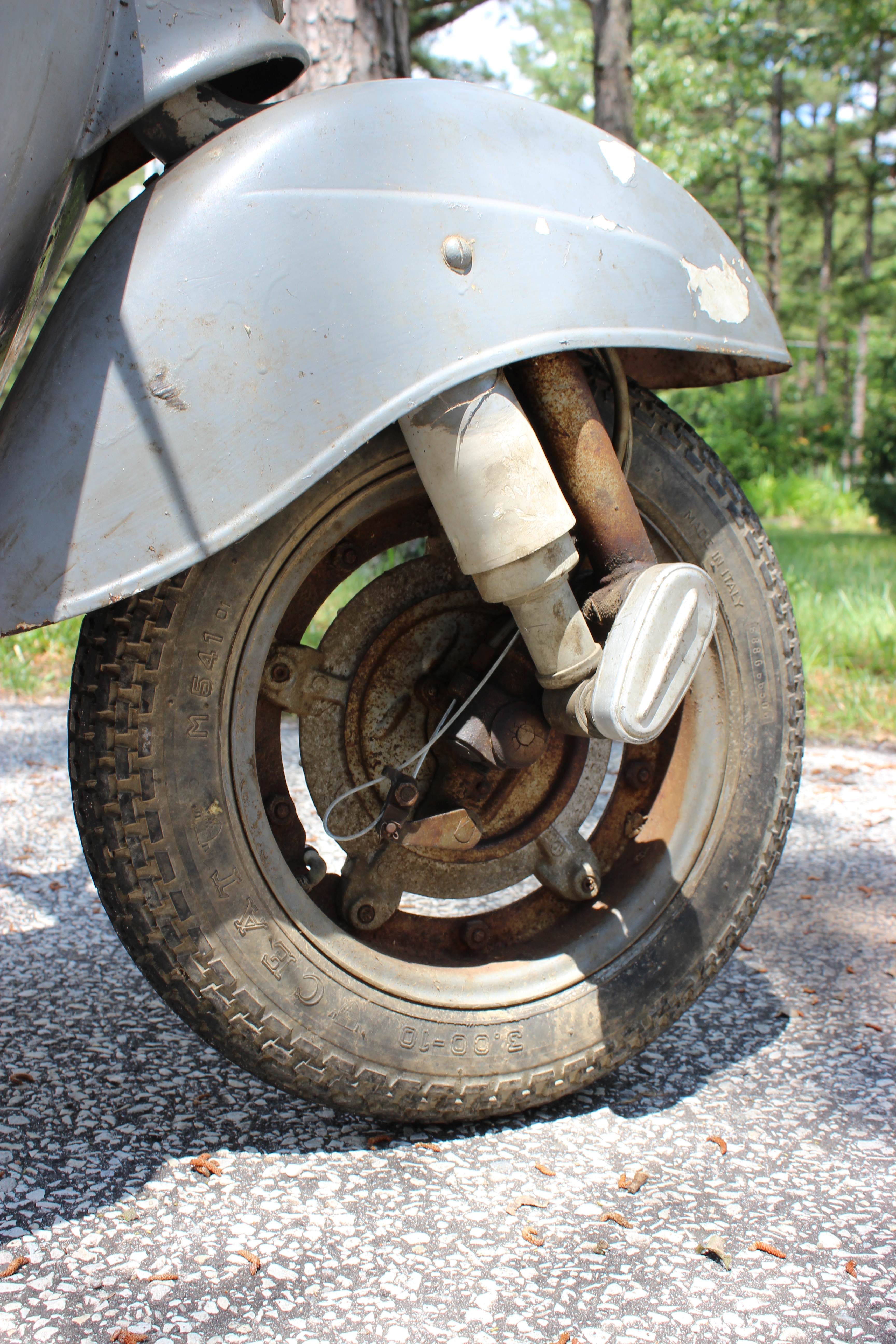
This 1966 Sears Blue Badge (VMA1T 788.94370) was purchased from Ithaca Scooter and Cycle for the price of $0.00. The previous owner told me that he found the Blue Badge on a farm in Upstate NY and I believe him. The legshield was bashed and bruised. The wheels, hardware, and fork were covered in rust. And the frame itself was coated in a grey tractor paint, which I’m sure was mainly lead. Luckily, this lead paint kept the frame largely rust free, except for a few trouble spots that I’ll get to later. The original engine was rebuilt by the guys at Ithaca and the speedometer read 4,426 miles. So, this one required only cosmetic mods. And, best of all, this Blue Badge came with the original Mickey Mouse taillight with two original reflectors intact.
Before
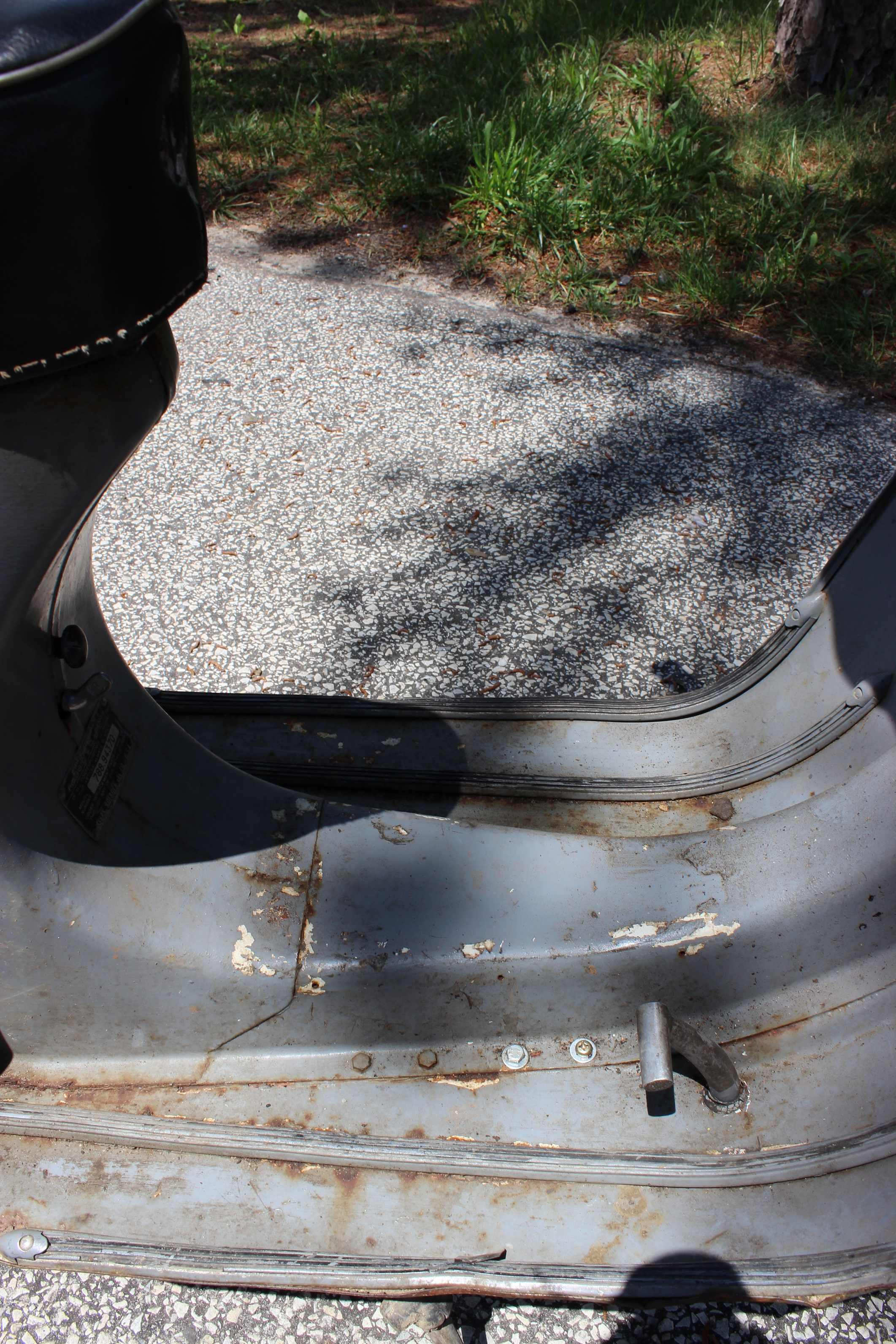
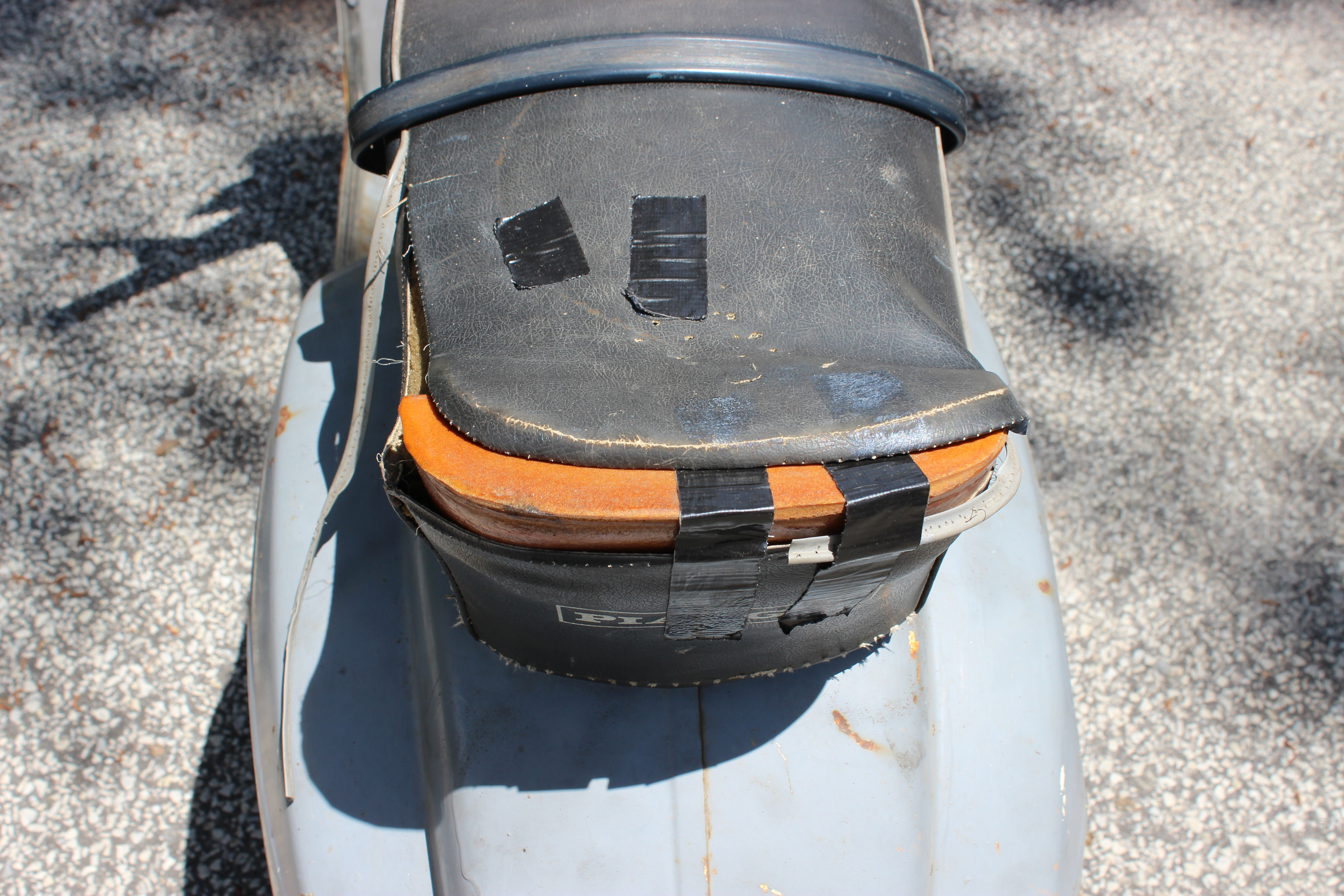
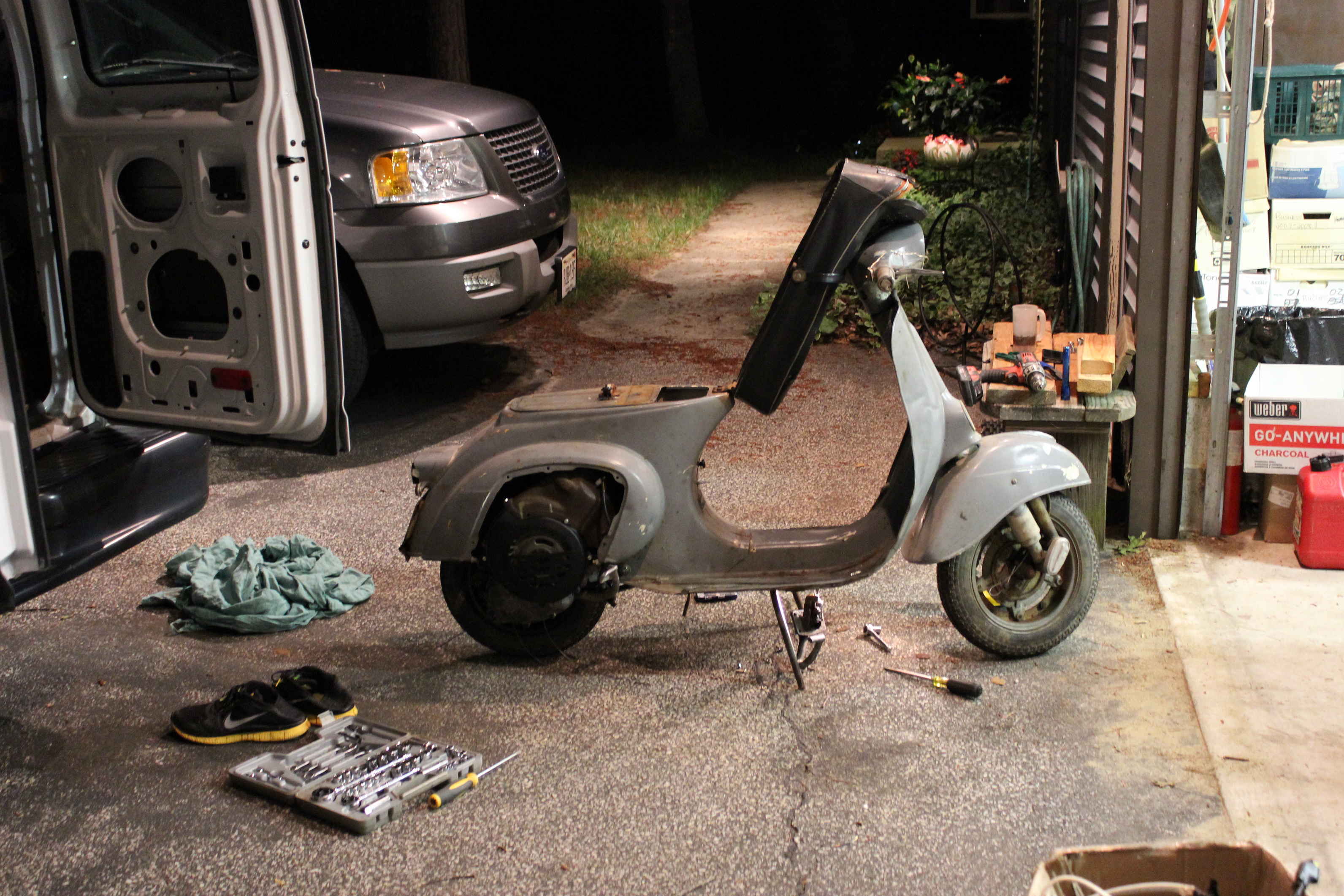
Before we get too far into the story, let’s look at some photos of the scoot as I received it. As you can see, the legshield took a good amount of abuse over the years. Not only was it dented, but it was dented repeatedly. This made it difficult to reverse the damage and regain the original shape of the pressed steel.
Electrical System
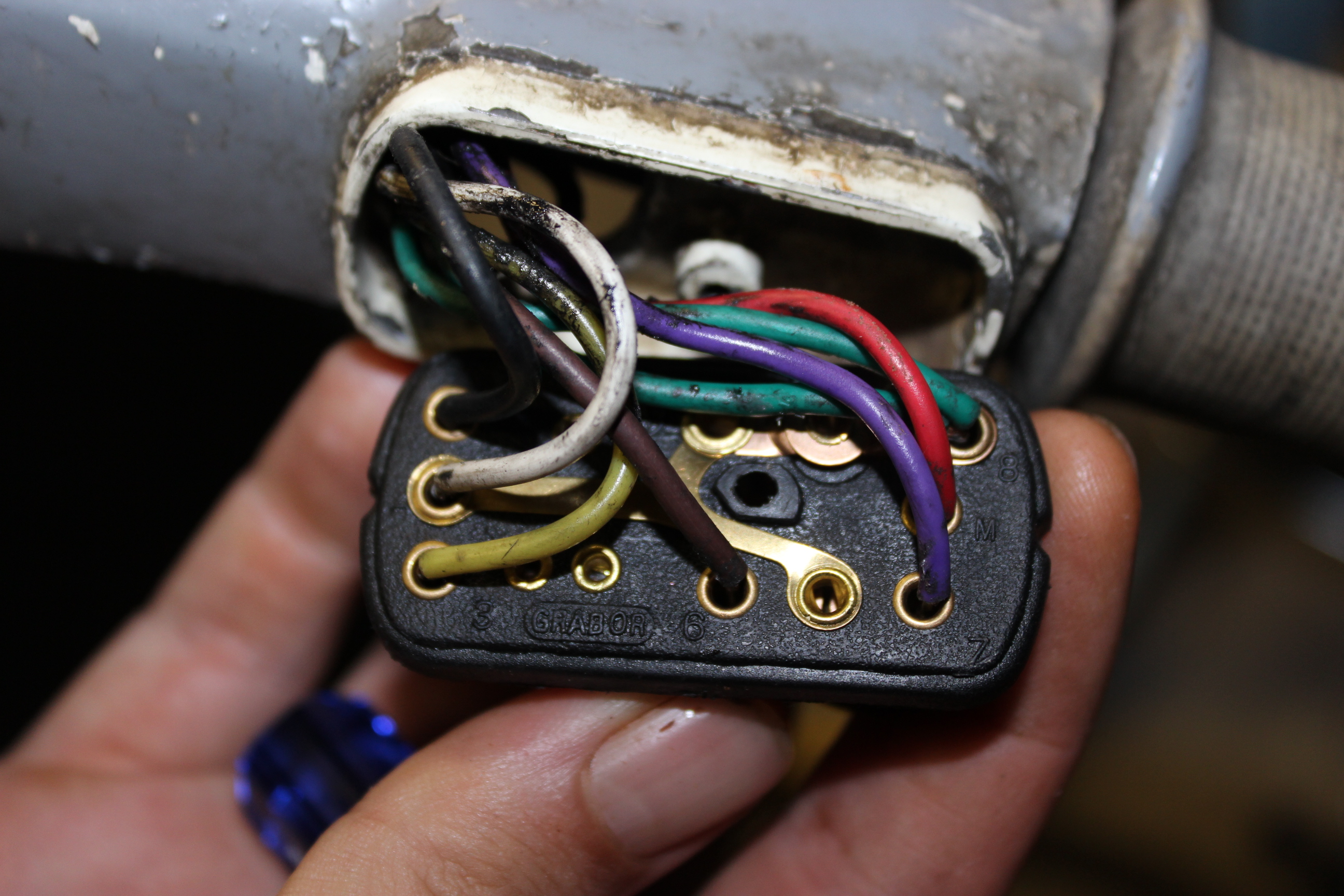
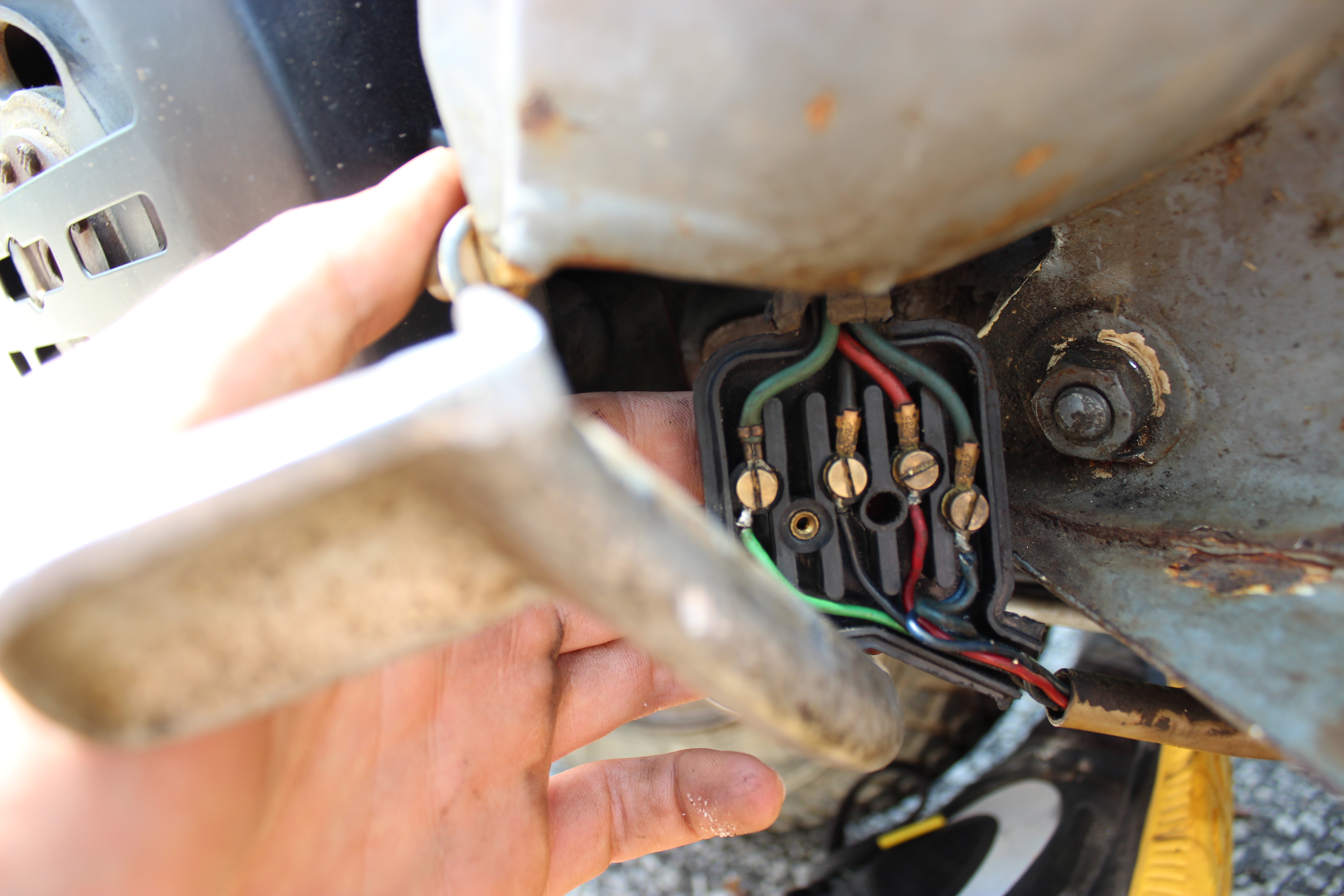
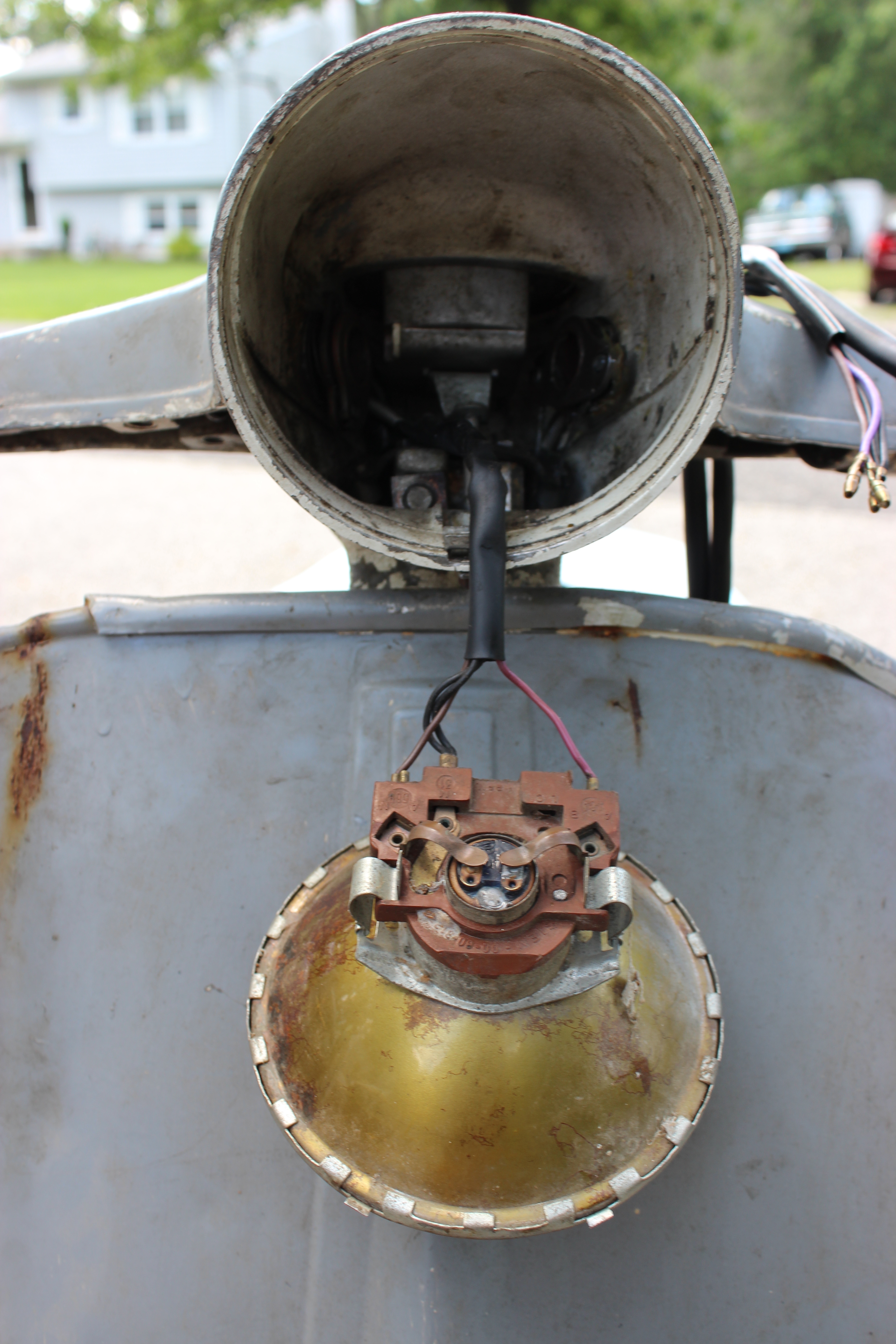
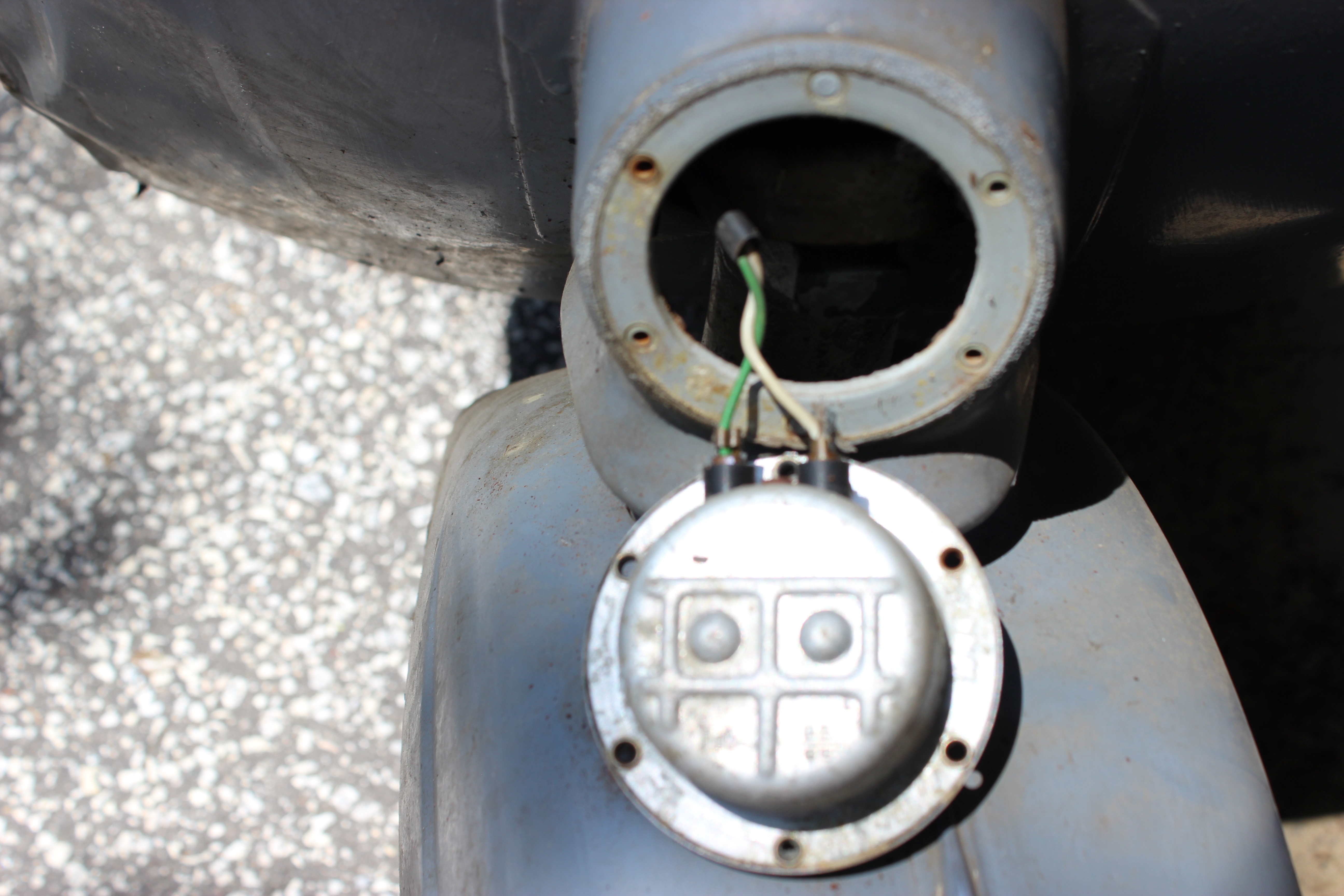
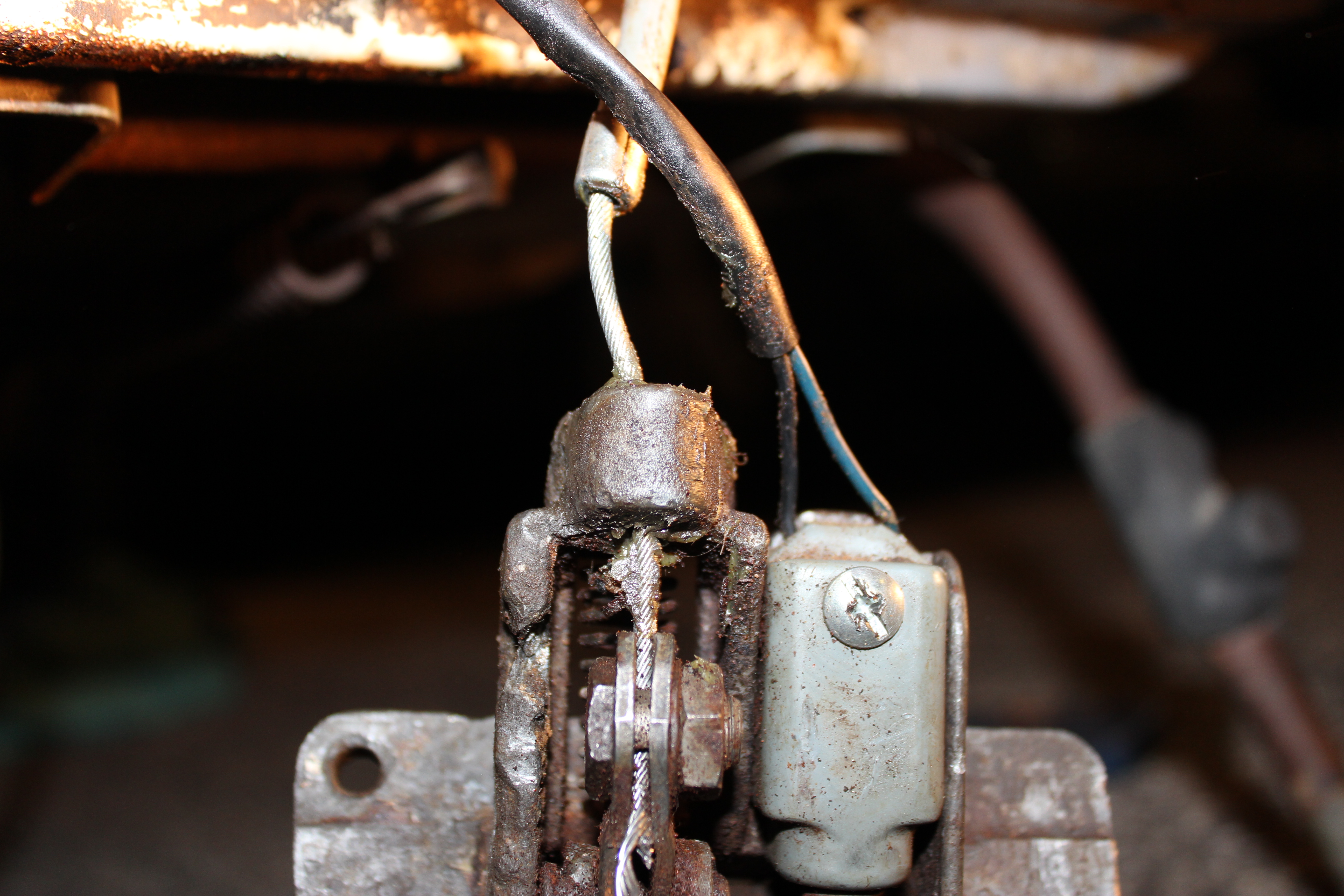
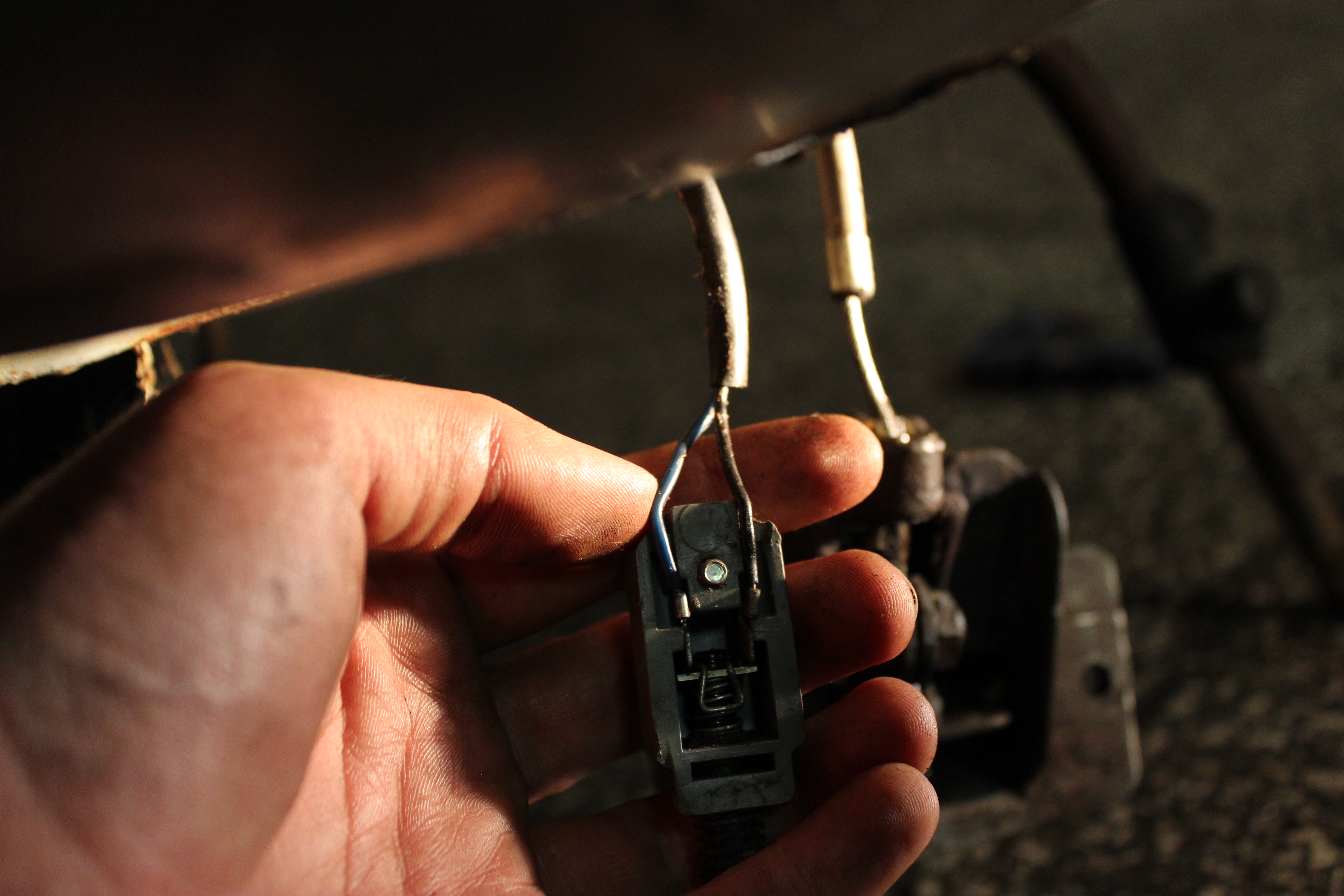
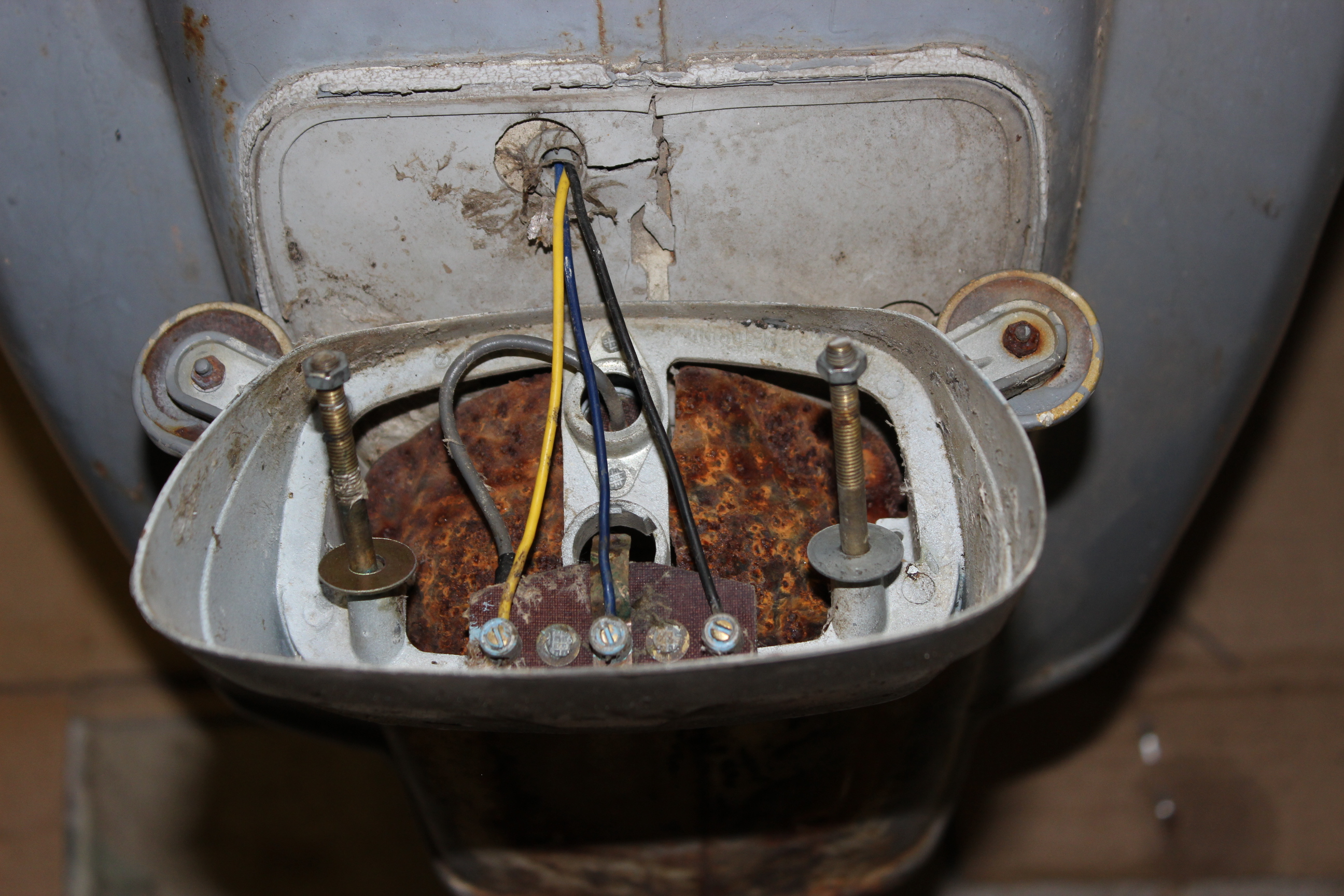
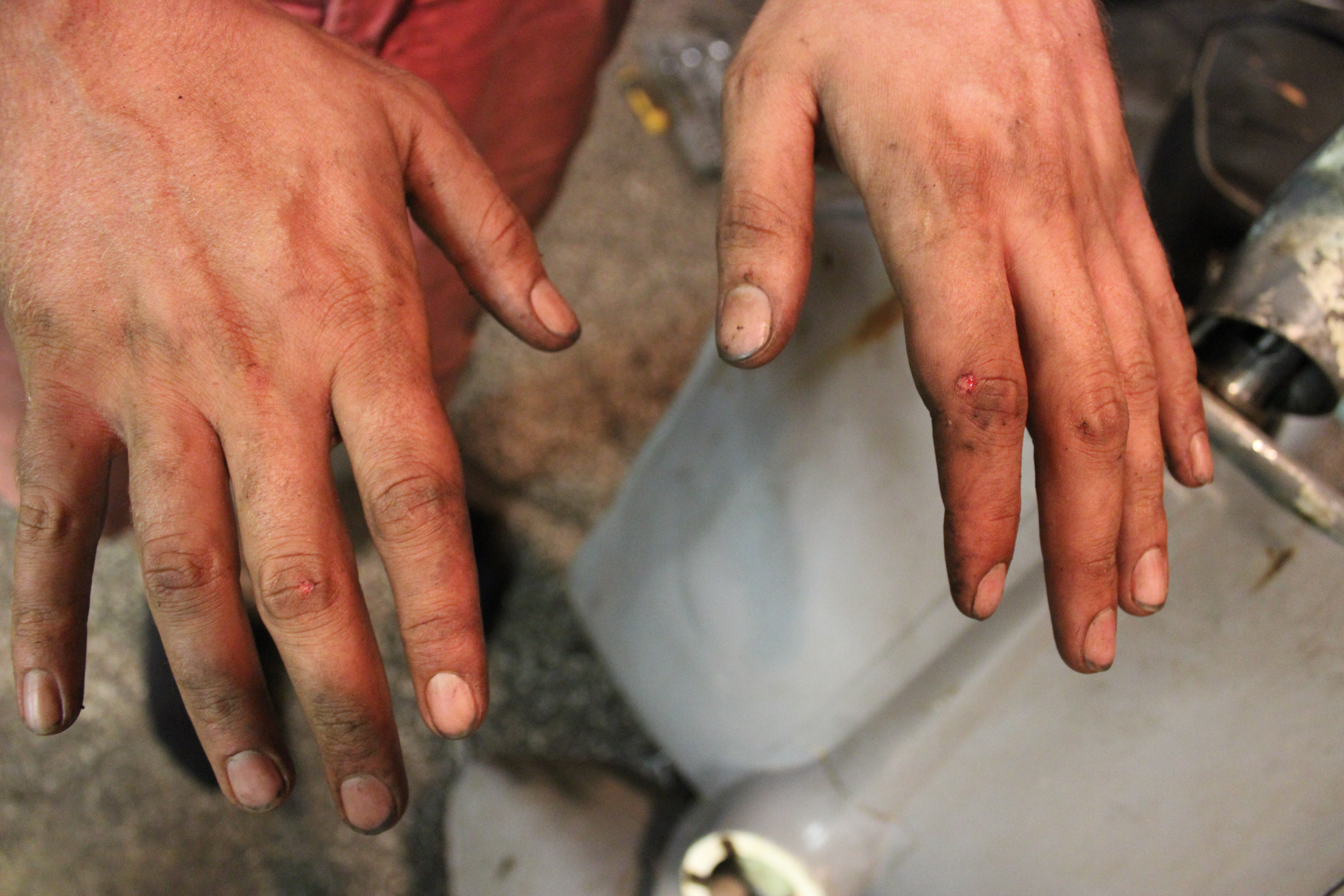
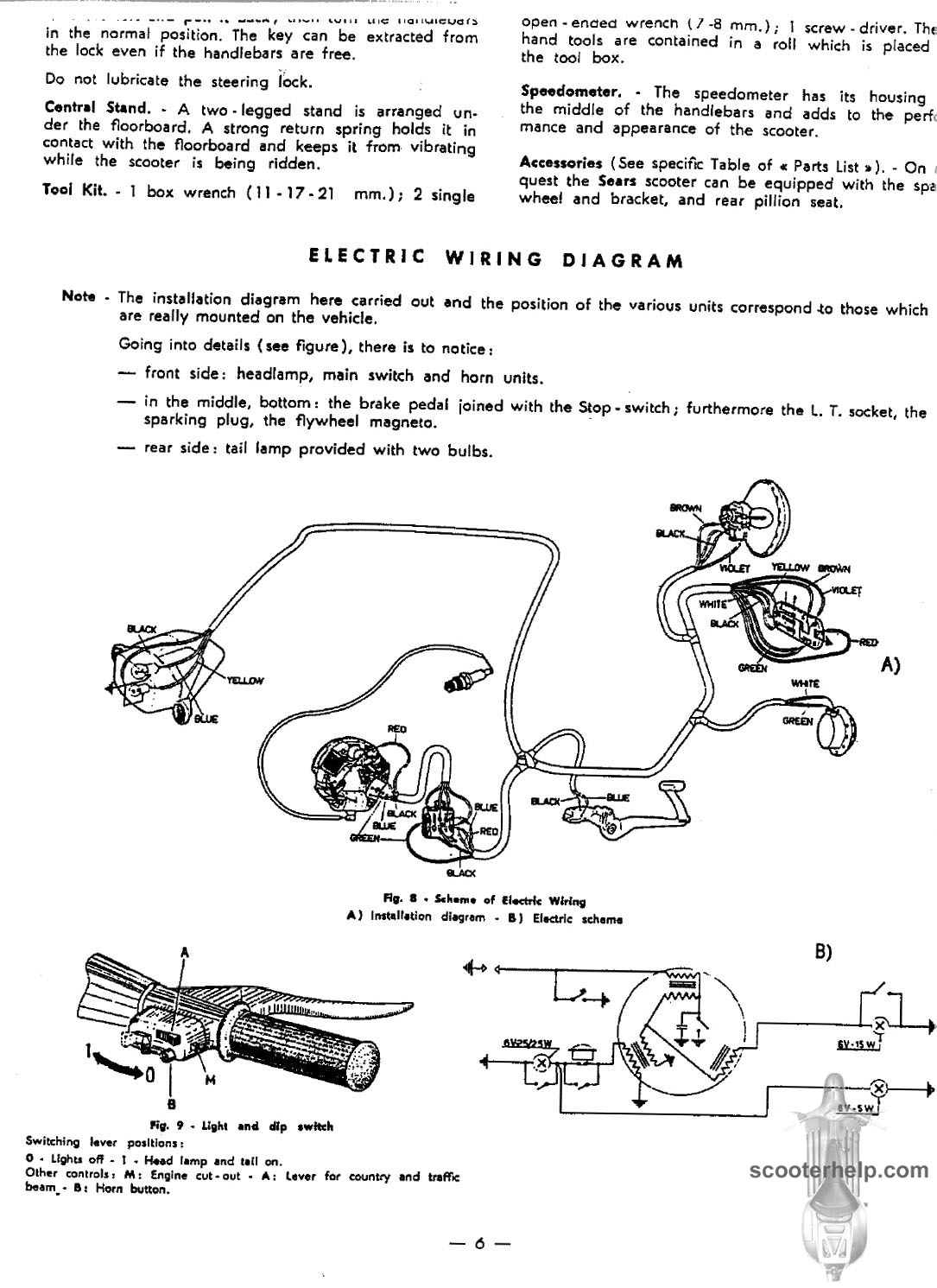
The electrical system was completely hosed when I picked up this beauty. There was juice flowing at the junction box where the engine meets the wire harness, but no juice coming through to the handlebar electrical switch or tail light. After obtaining a decent quality Indian made repop wiring harness, I taped the back of the new harness to the front of the old harness and tried to pull the new harness through the frame. The old harness came right out the back with little force. It was split in two. It almost looked like something chewed right though it. So, after fishing in the frame for 4 hours, I was able to route the new wiring harness and everything was right in the world again, except for my knuckles.
Body Work
Unfortunately, this is where the photo documentation came to a halt. The body work was, by far, the largest time sink on this project.
Lots of hours were burned with hammers and dollies, trying to straighten out the legshield. The dents were fairly complex. That is, after the legshield was dented, it was dented again, and then again, and so forth, until the steel was creased in every which way it could. Reversing the damage was not straight forward, so compromises had to be made after the finesse ran out. In general, the legshield recovered most of its original pressed form, with minor imperfections here and there that were not feasible to repair. But for where it came from, and considering that not one drop of body filler was used, I’d say it’s looking pretty good.
Besides the legshield and floor, the frame was in fairly good shape. There were several golfball sized dents around the frame, cowls, and fender, but almost all of them came out with no trouble.
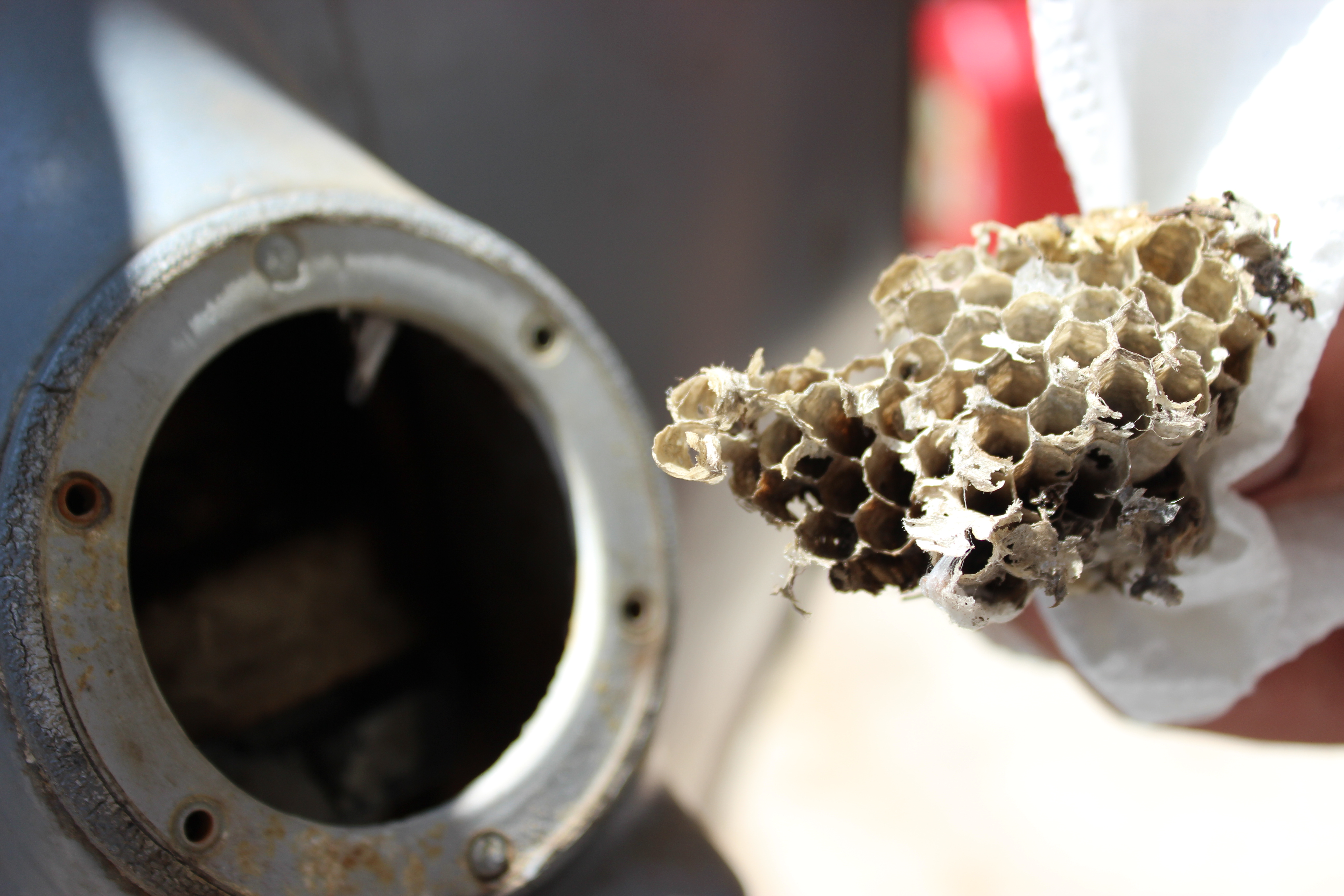
The bottom of the floor, under the center channel, was another story. For the first few month of the project, the floor looked like it was covered in surface rust, with small amounts of rot around the brake pedal, but was mainly solid. Upon sanding for paint prep, it became obvious that a softball size hole in the floor was soft. Sure enough, a screwdriver poked right through the floor. After cutting out a good chunk of the bad metal, a black tangled hairball about the size of an orange fell out. On top of that hairball was a little, dried mouse carcass with little mouse legs sticking straight up in the air. That little squeaker made a home in the center channel and chewed right through the wiring harness.
There were two obvious ways to proceed from here… replace the floorboard or weld in a patch. Well, since this is an Allstate and not a real desirable model, the decision was made to weld in a patch. If a new floorboard is wanted in the future, the new welds could be easily cut out and the next welder (not me!) will have no problems tacking in a new floorboard.
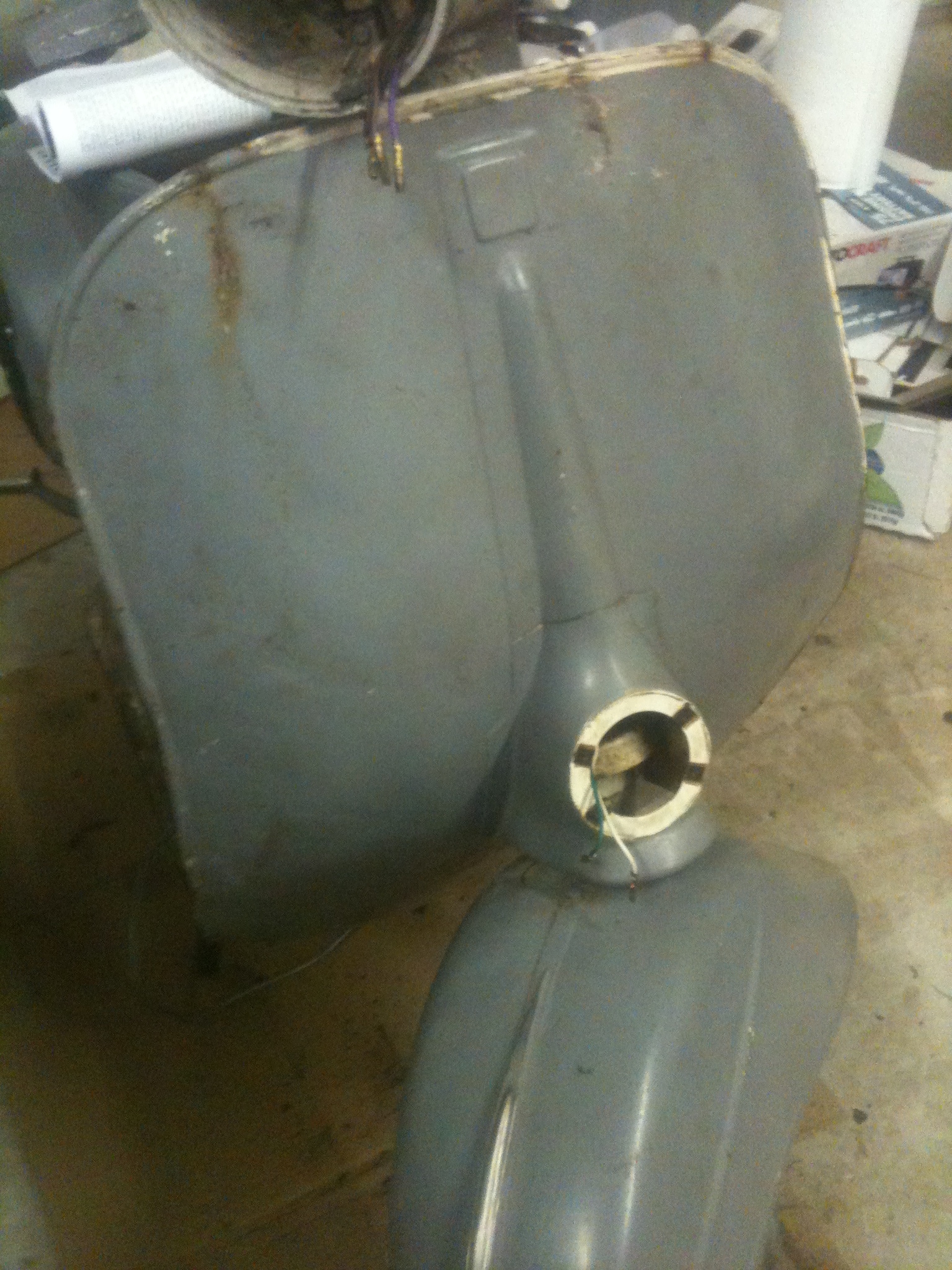
Here are a few lo-res celly photos from different times throughout the body work process.
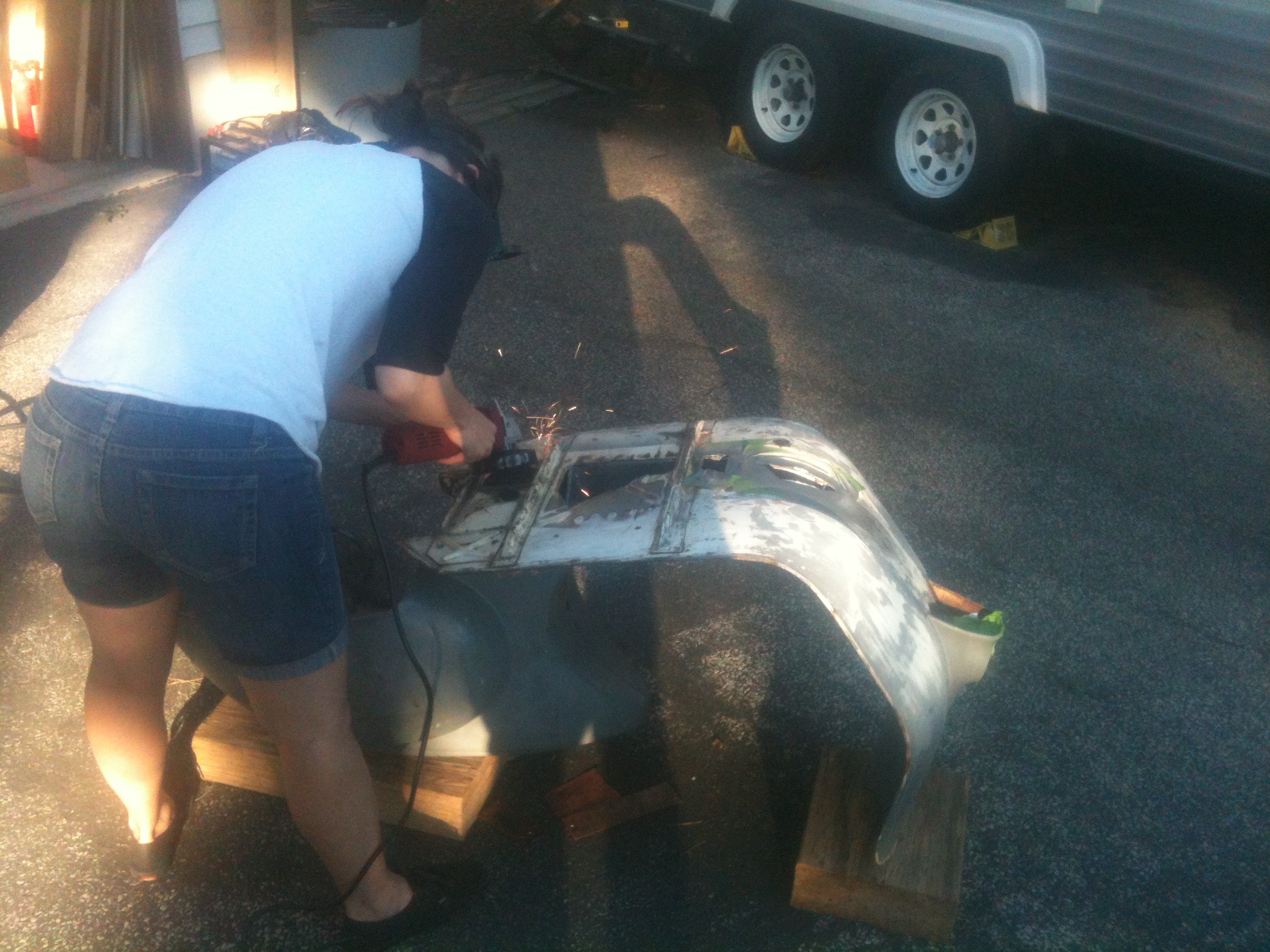
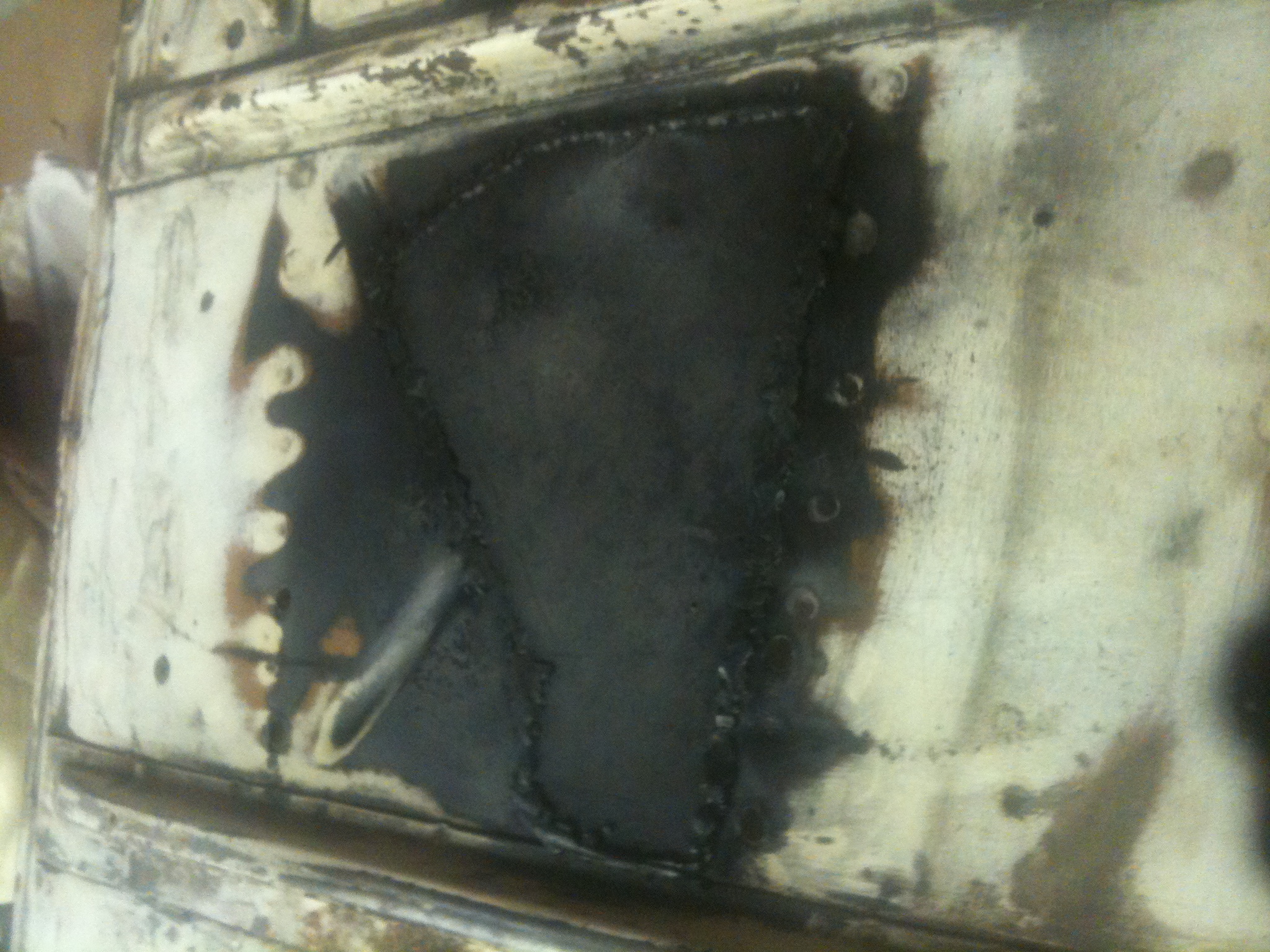
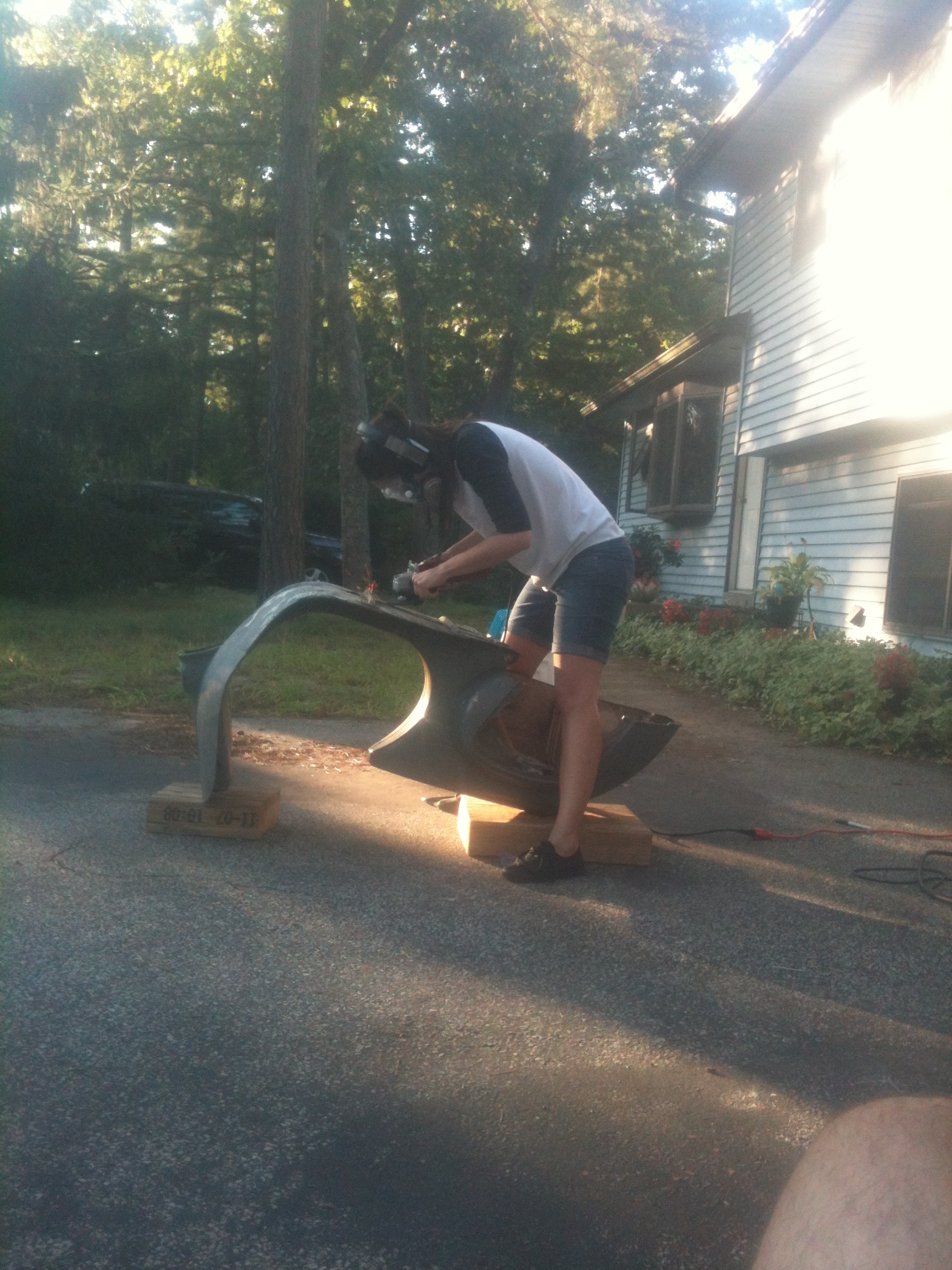
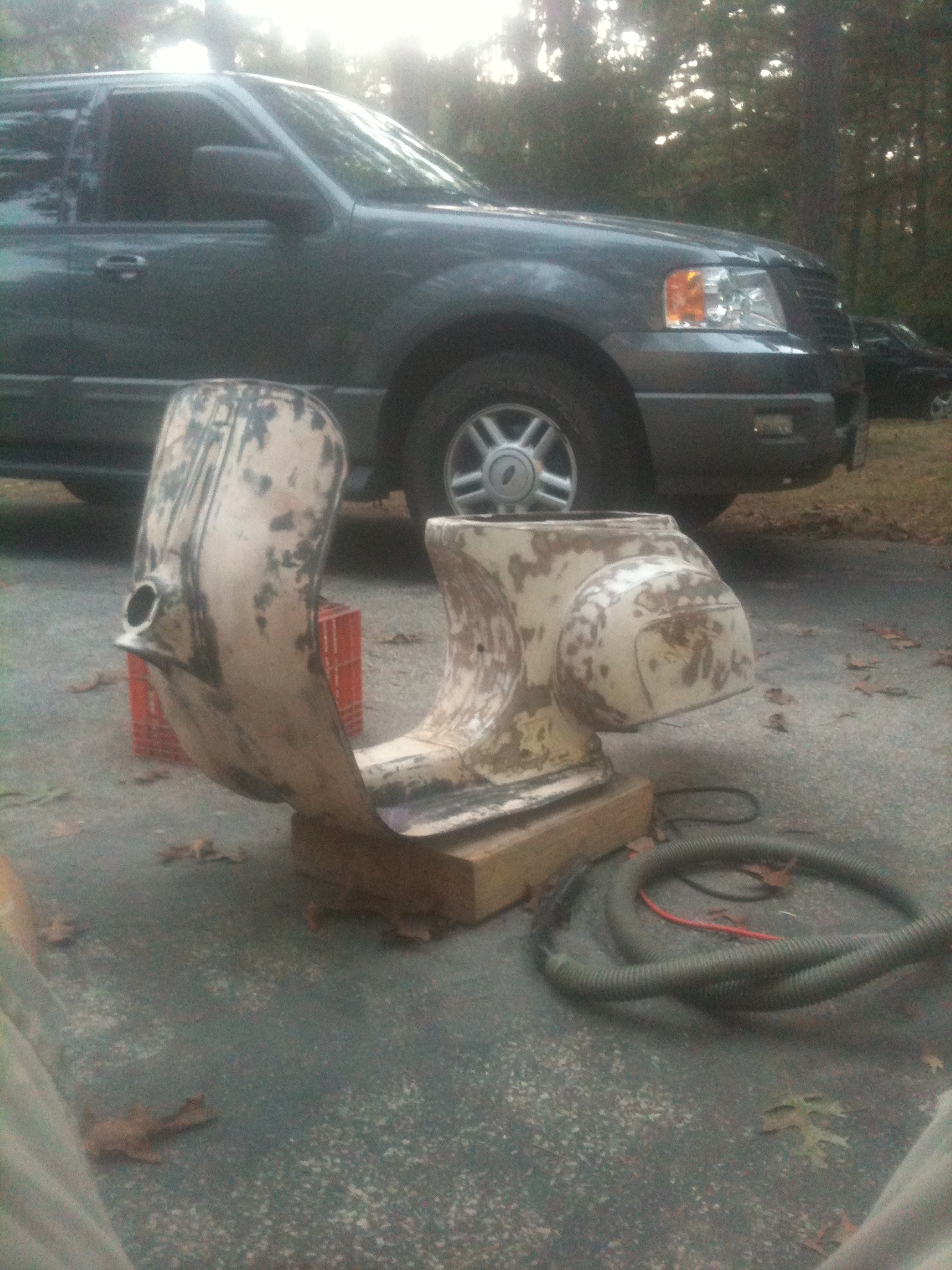
Painting
When it came to painting, tracking down a match to the stock color was difficult. There were a few links online, but they are less than authoritative. As far as I could dig up, the stock color for a smallframe Blue Badge was Hawthorn White, also known as Biancospino, and the Max Meyer code is 1.298.1715. An unnamed, reliable source suggested that a PPG (Pittsburg Paints) color named Western RV White was a perfect match. I’m not a chromatographist, but it looks pretty close to my eyes.
Before painting, an Eastwood brand Seam Sealer was brushed on every seam that was factory sealed, as well as on the new welds on the floorboard.
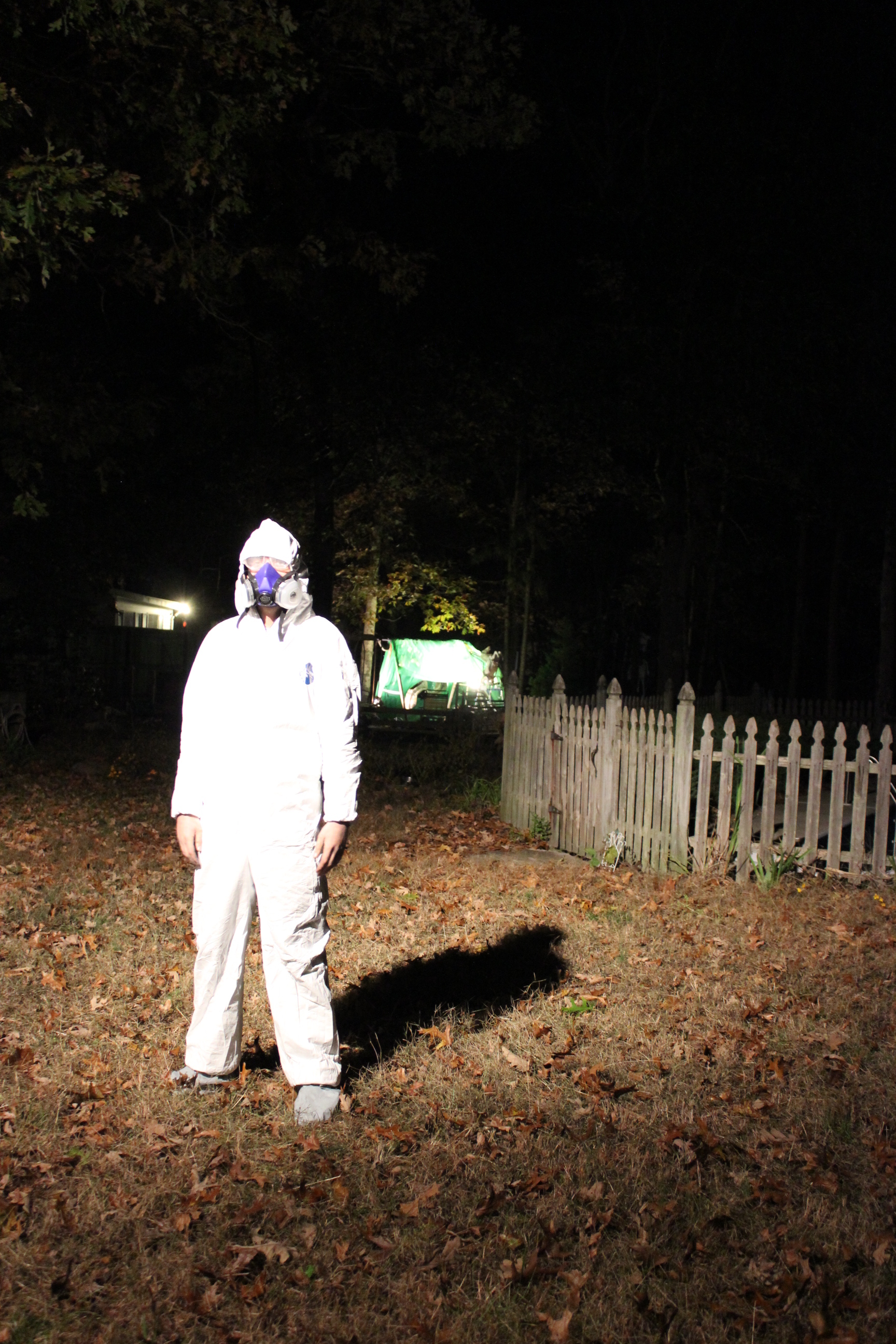
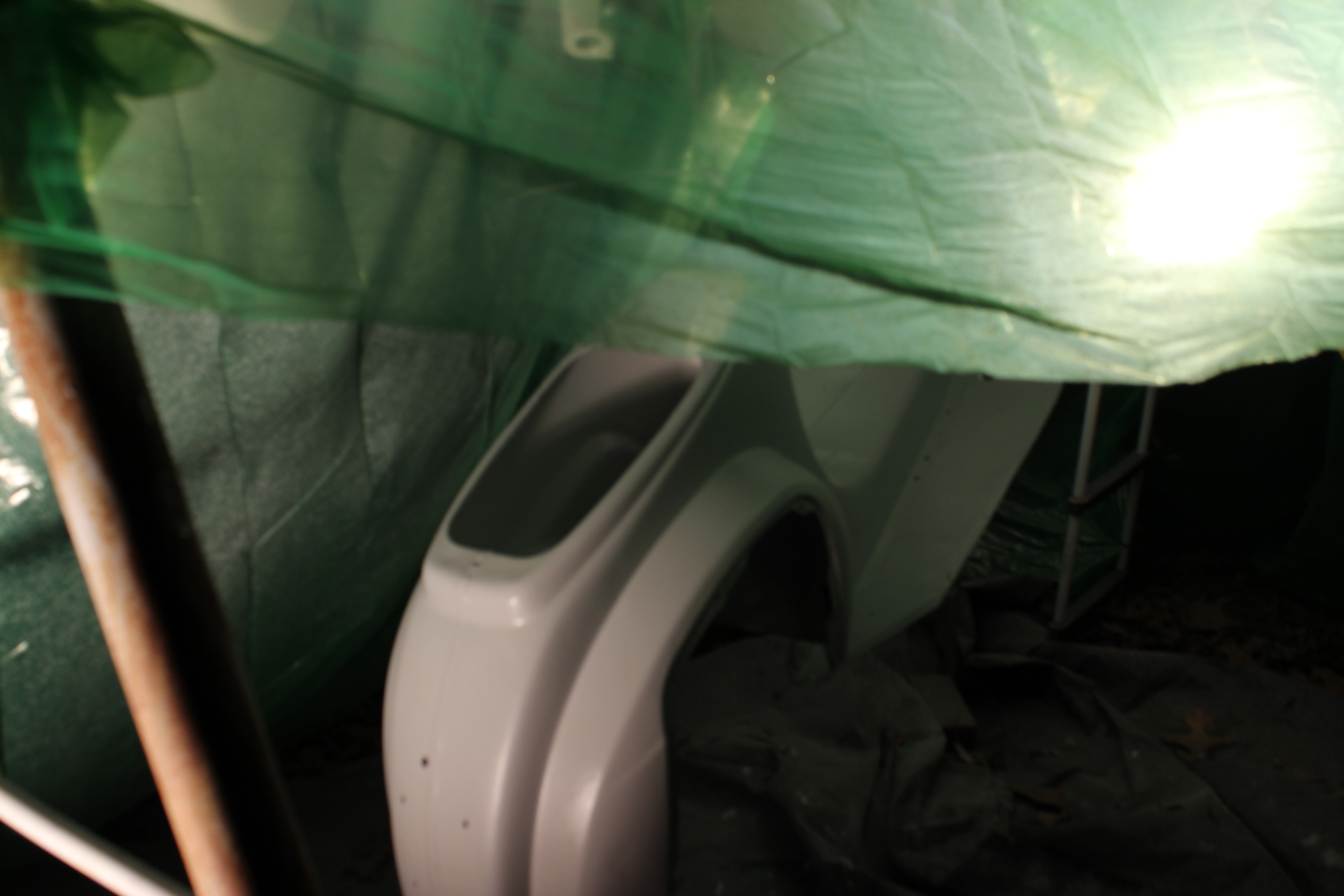
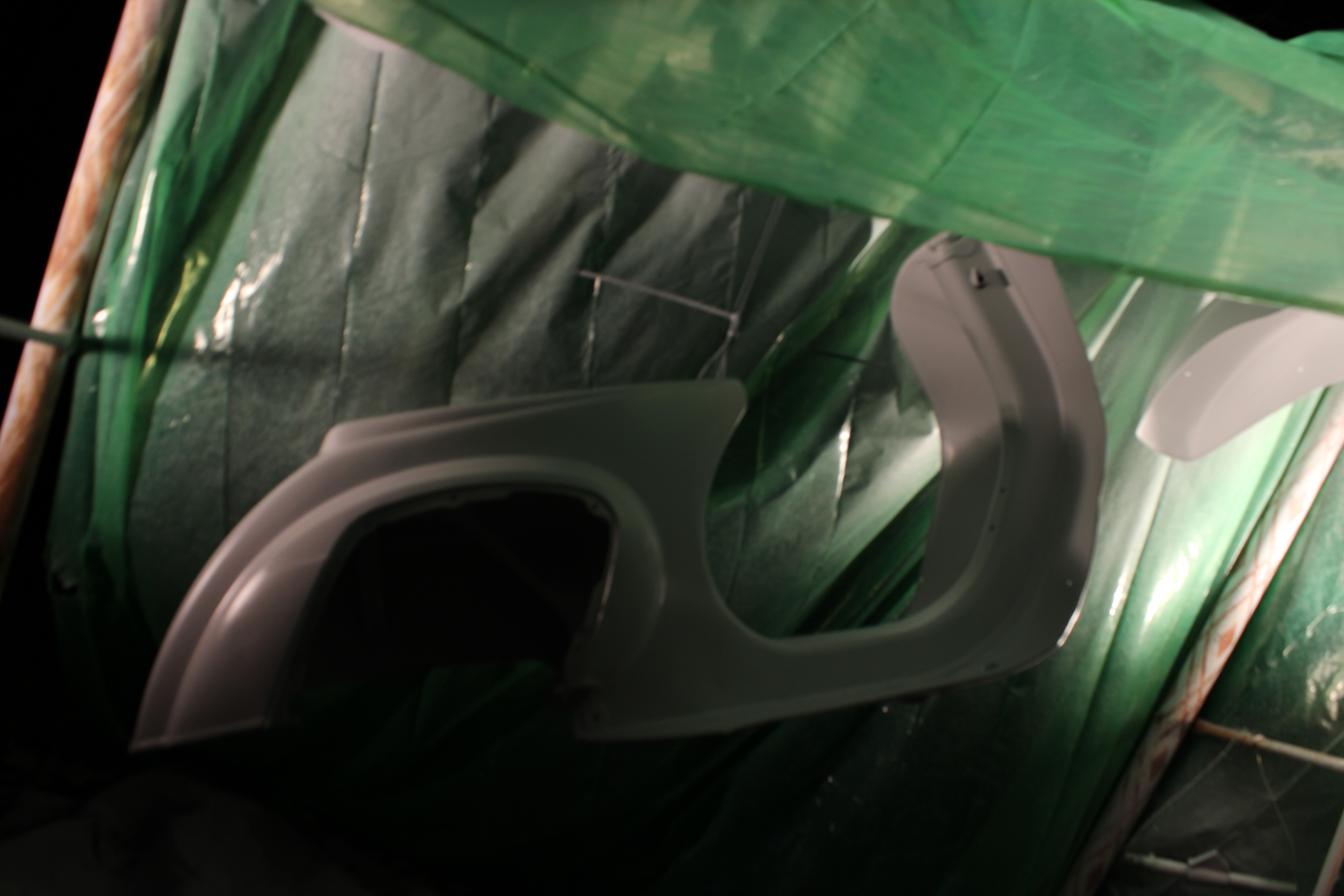
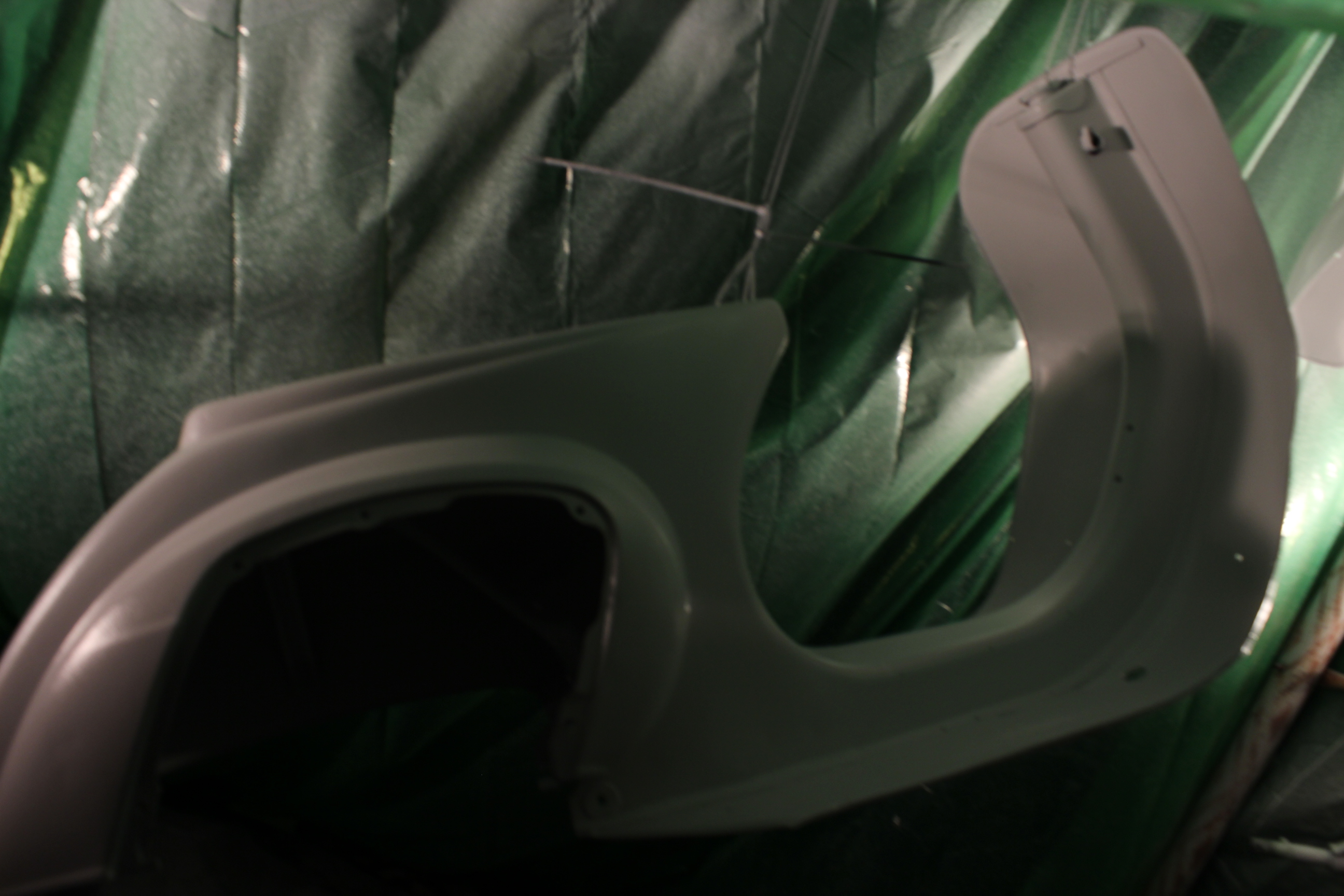
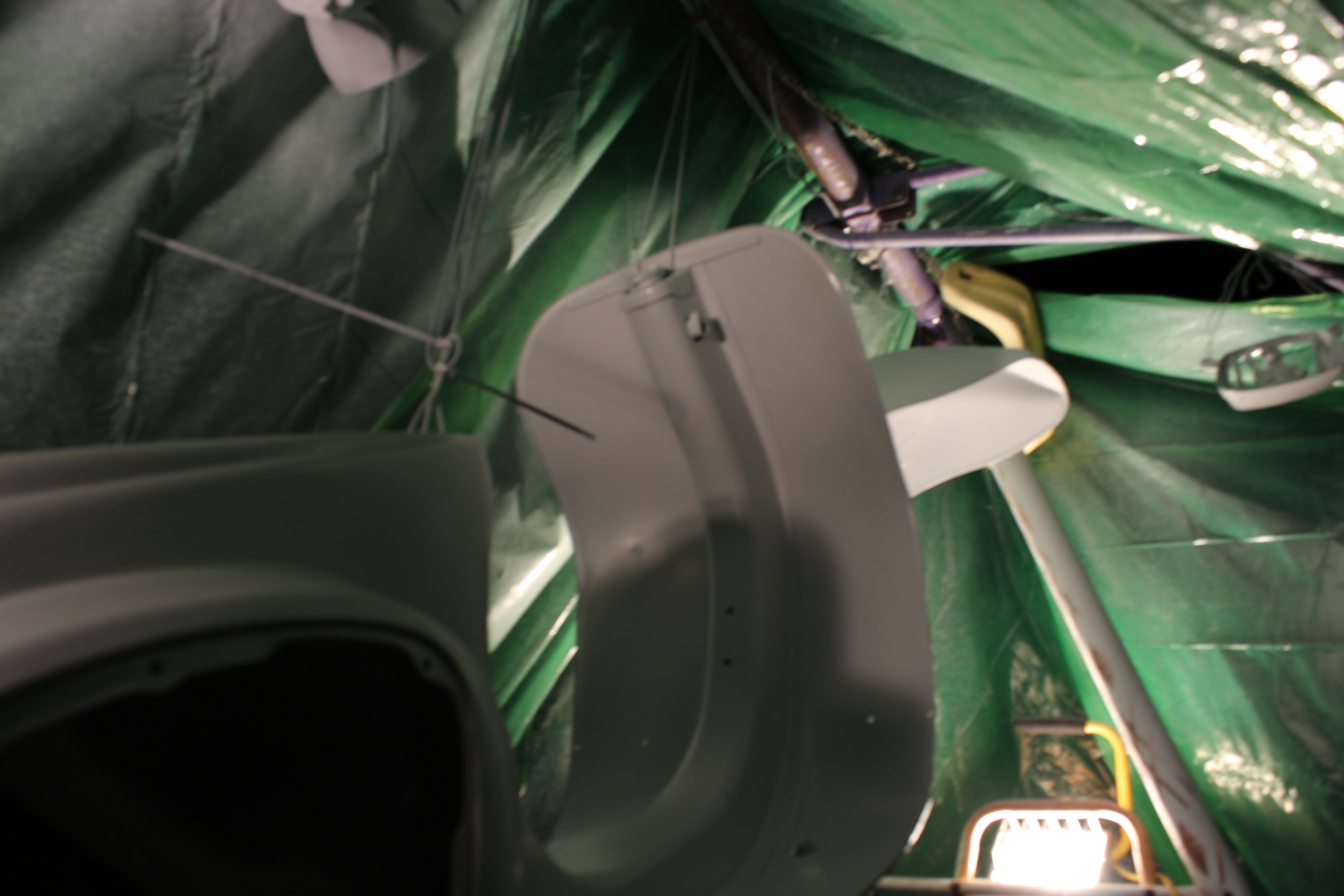
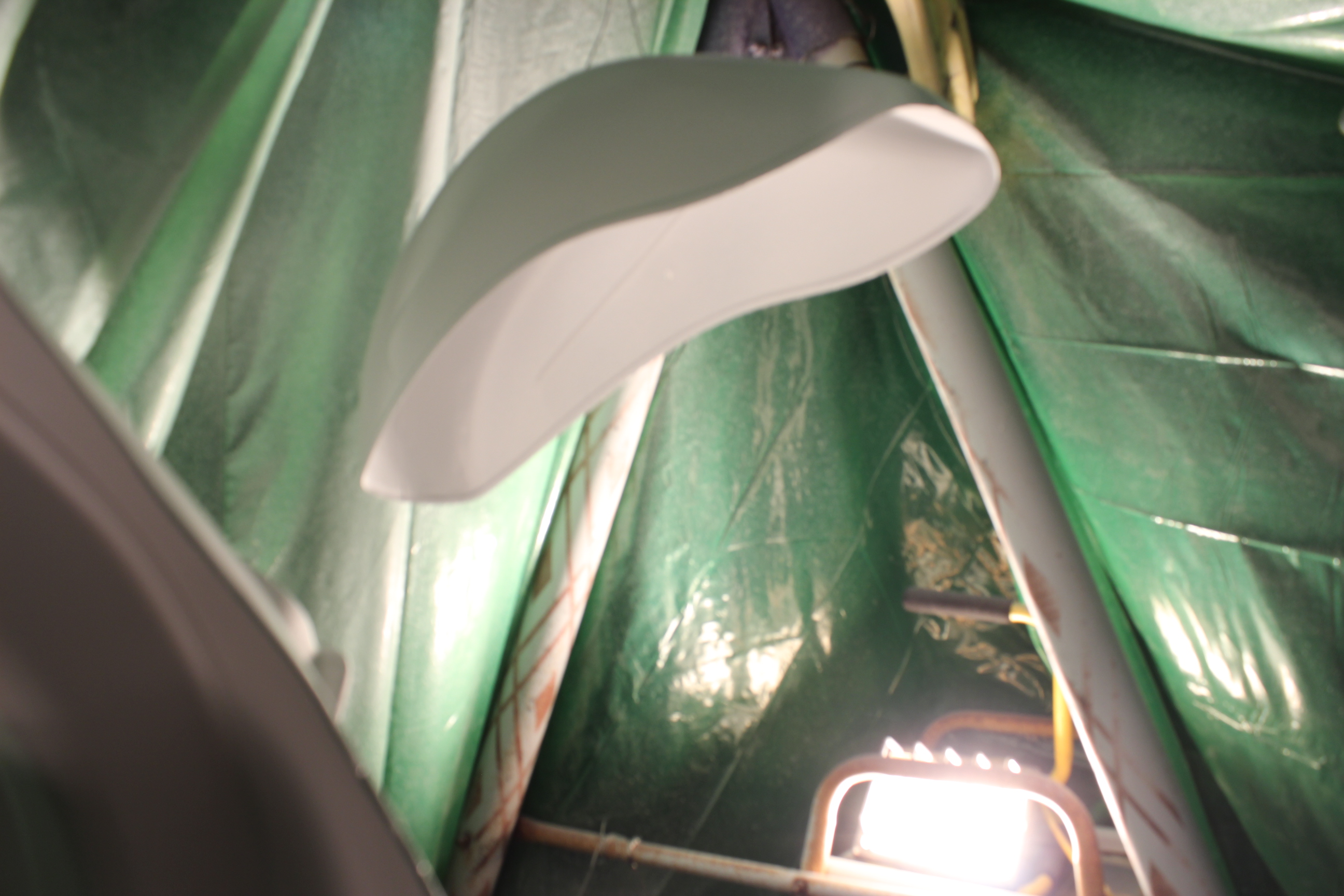
The paint booth was set up on an old swing set, which was wrapped in biodegradable drop cloth. A HVLP paint sprayer system was used with a 1.4mm nozzle for both the primer and top coat. The primer used was a PPG automobile epoxy primer, which is why the smaller nozzle was used, rather than the expected 2.0mm nozzle. The top coat was a PPG automobile single stage urethane.
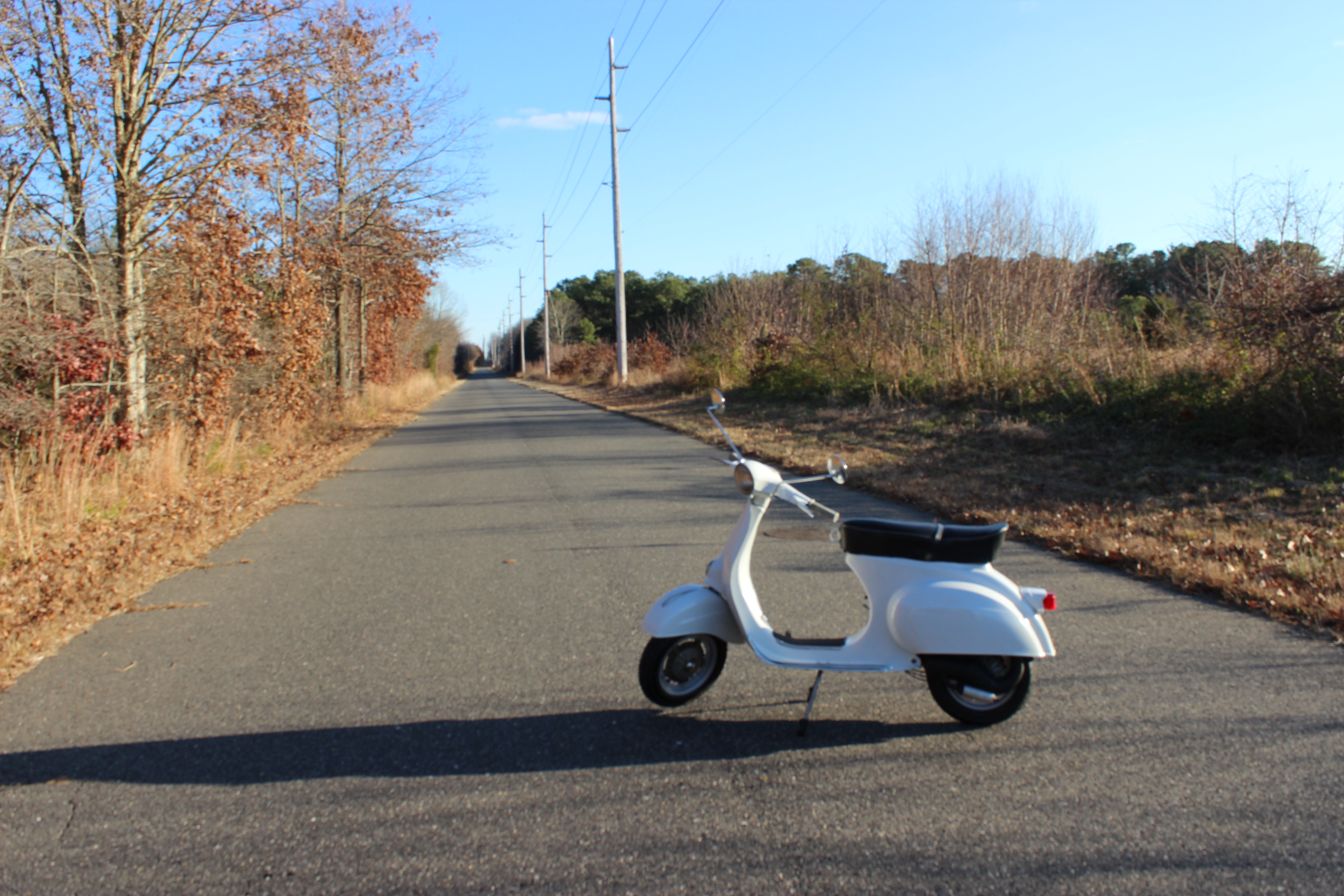
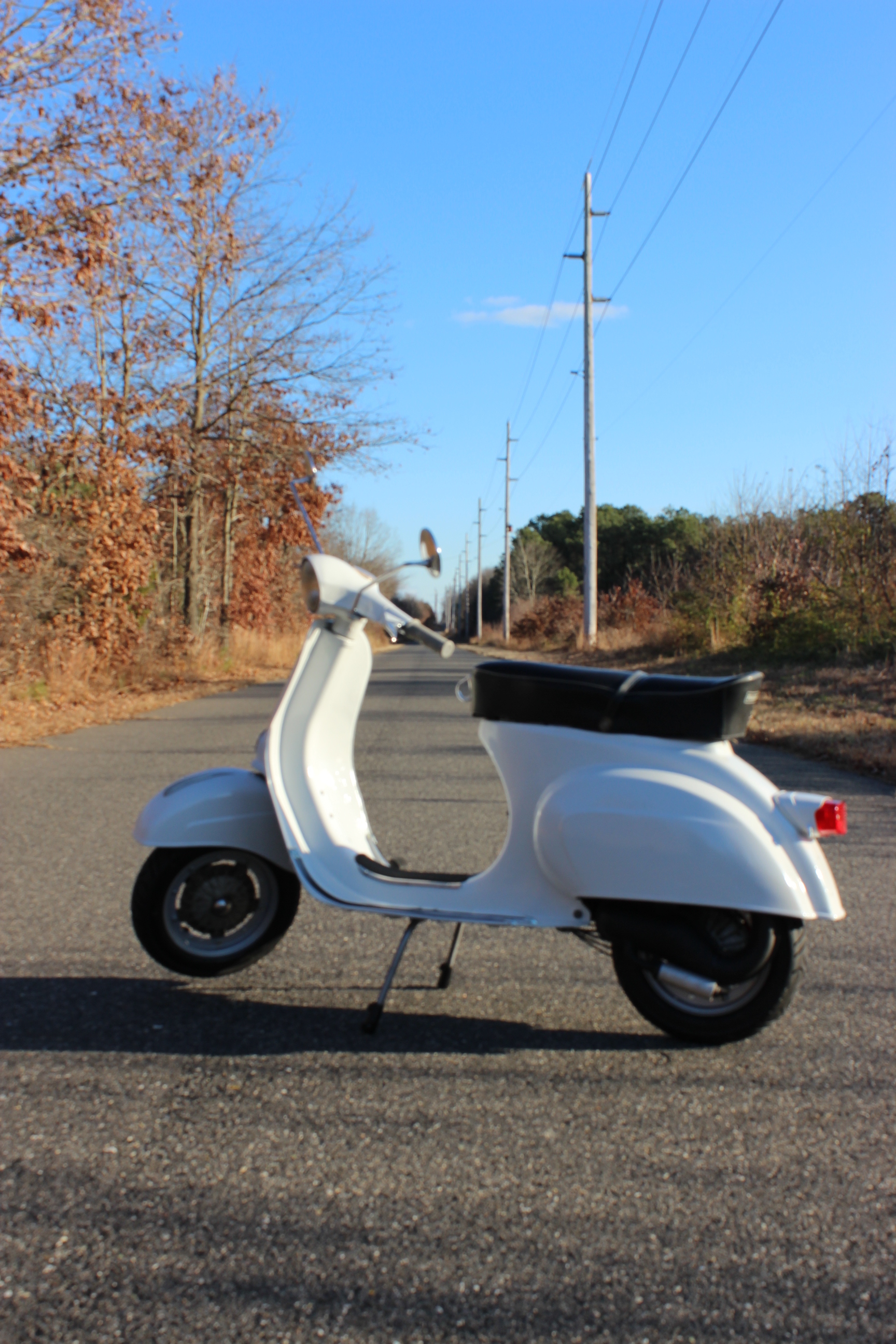
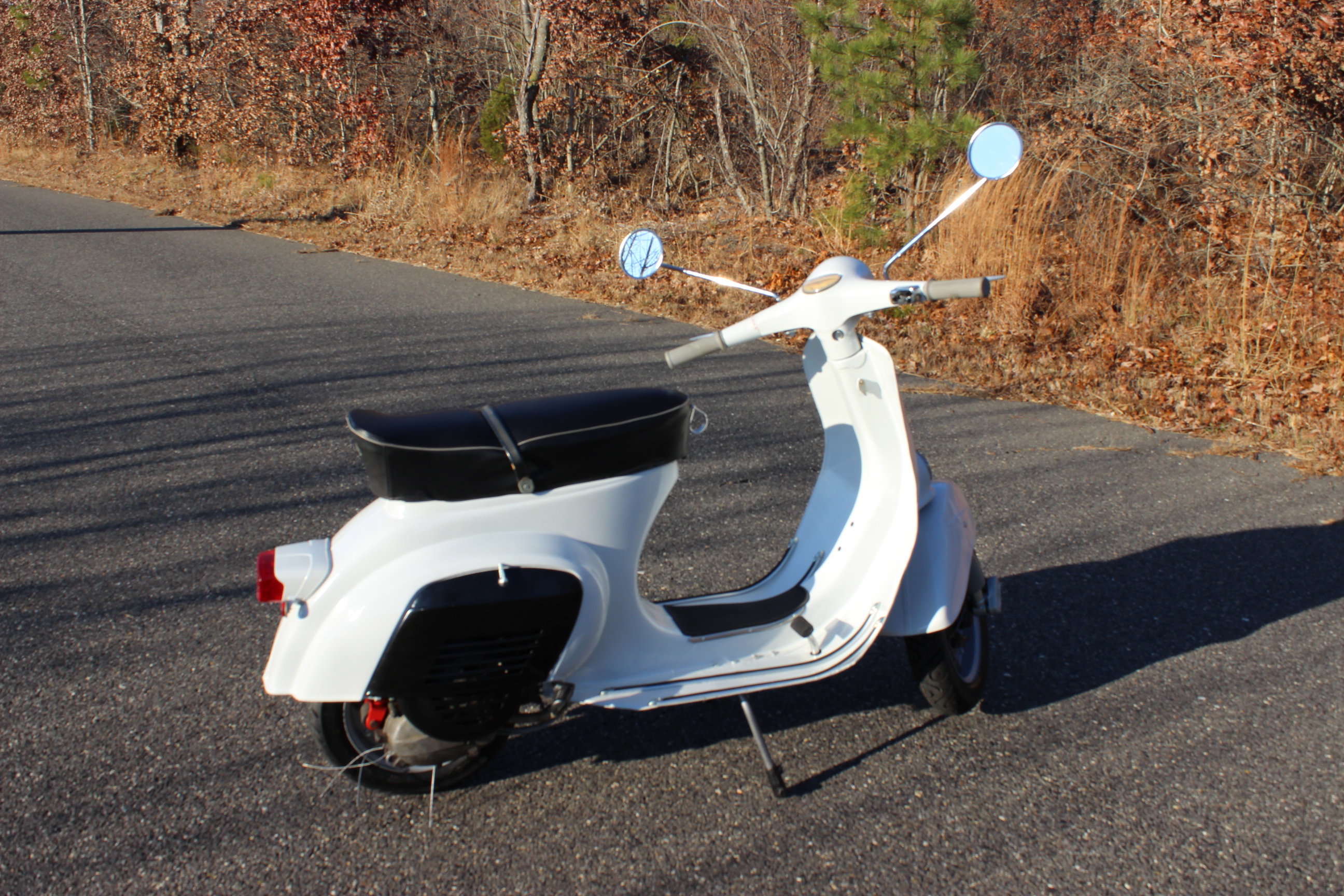
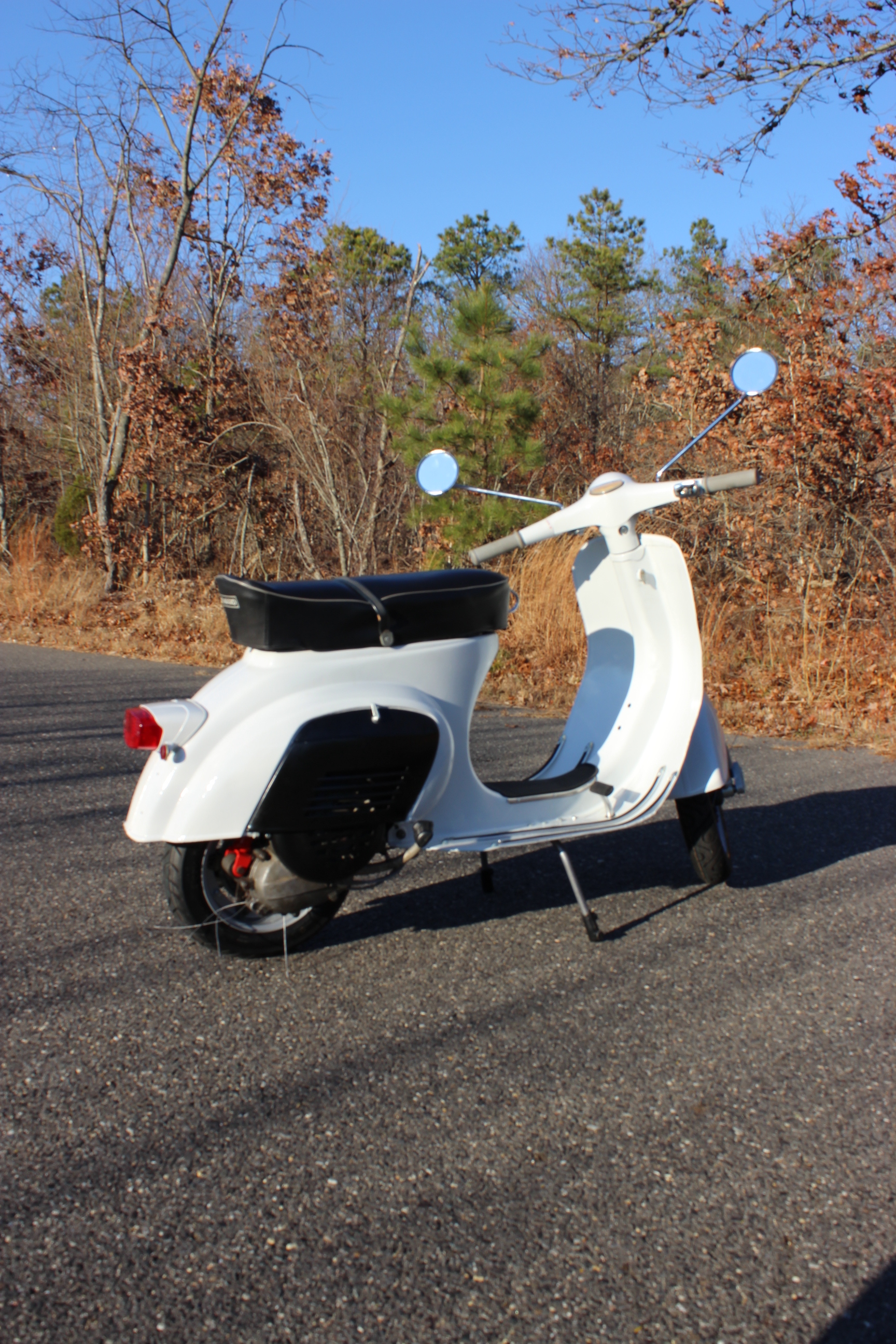
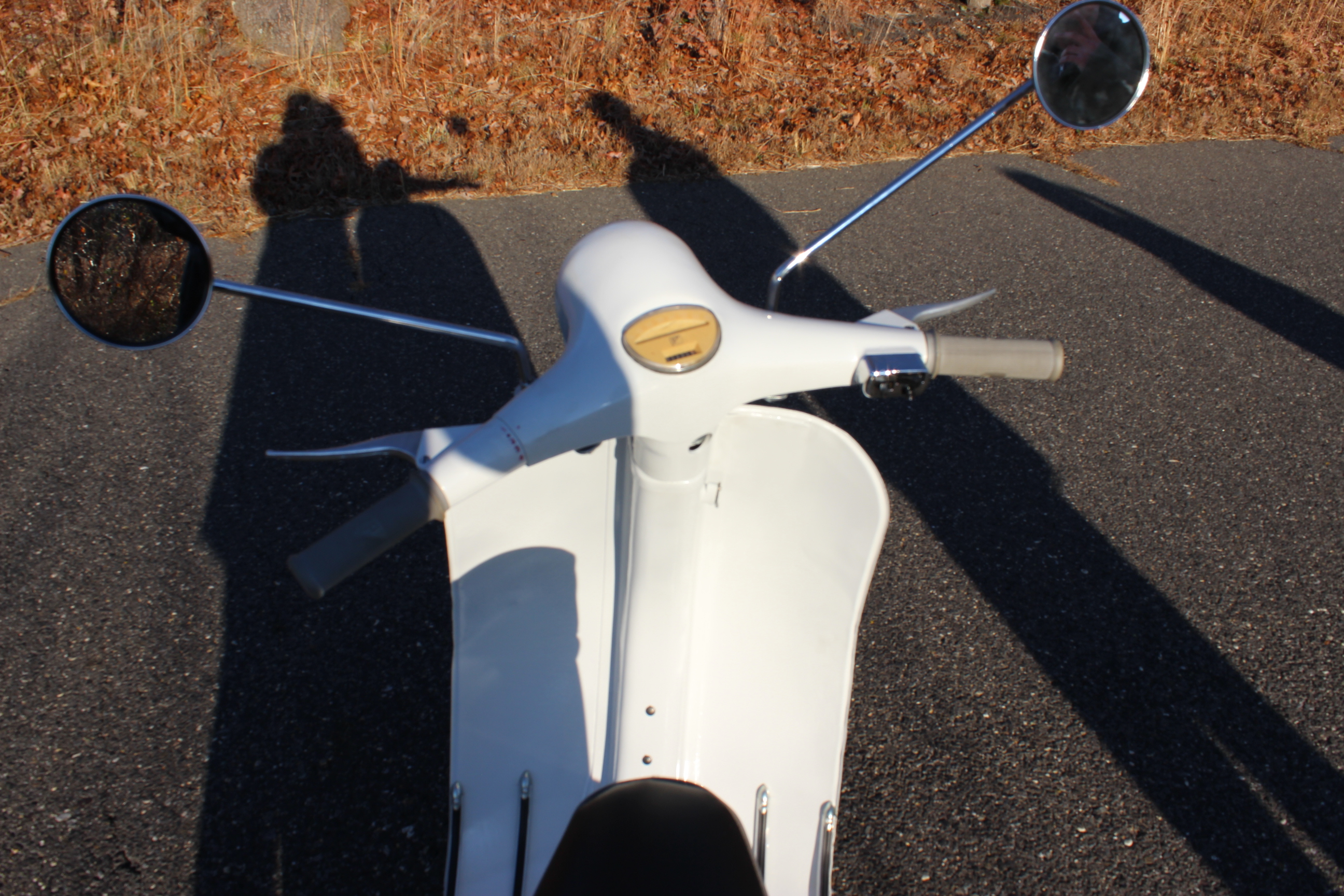
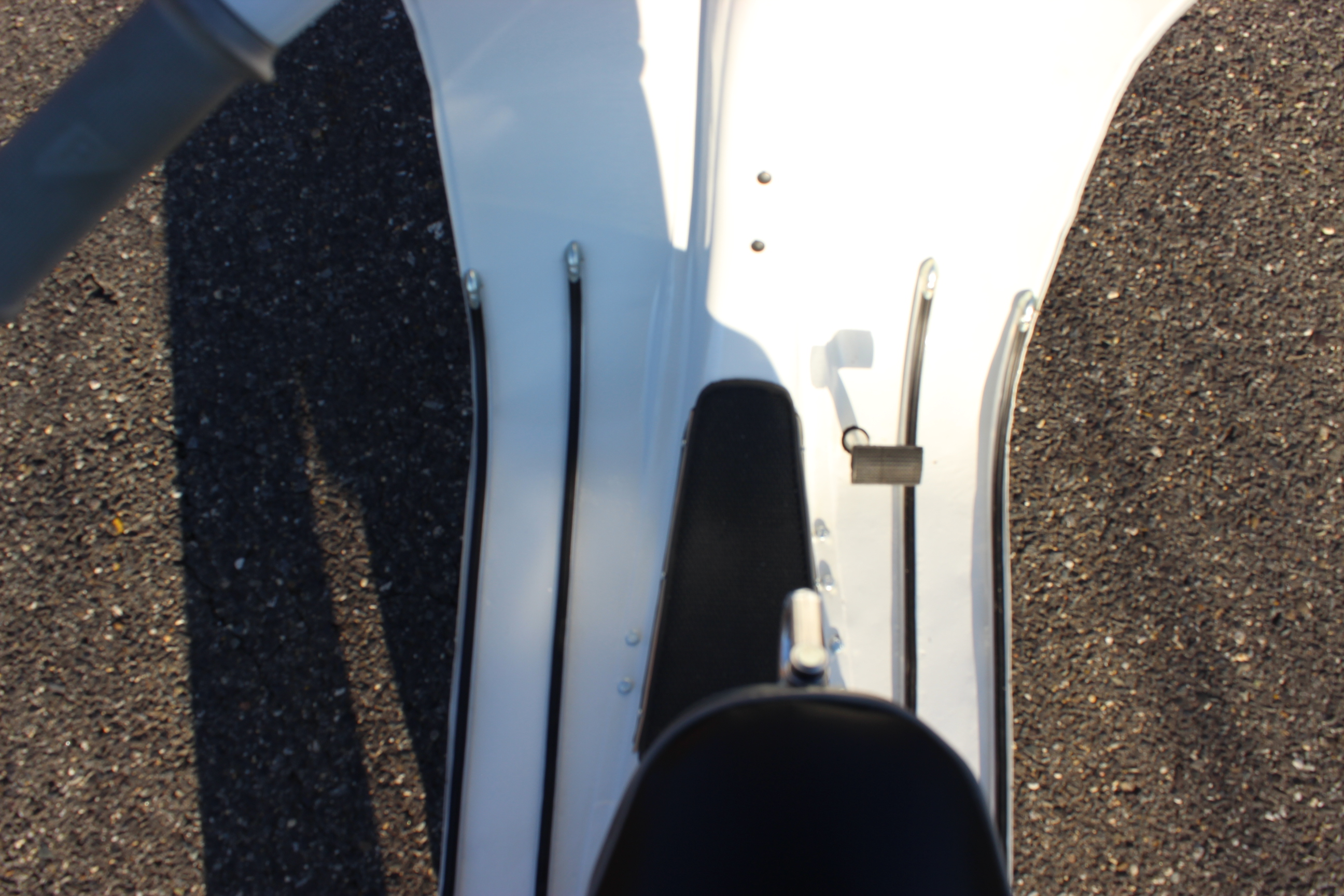
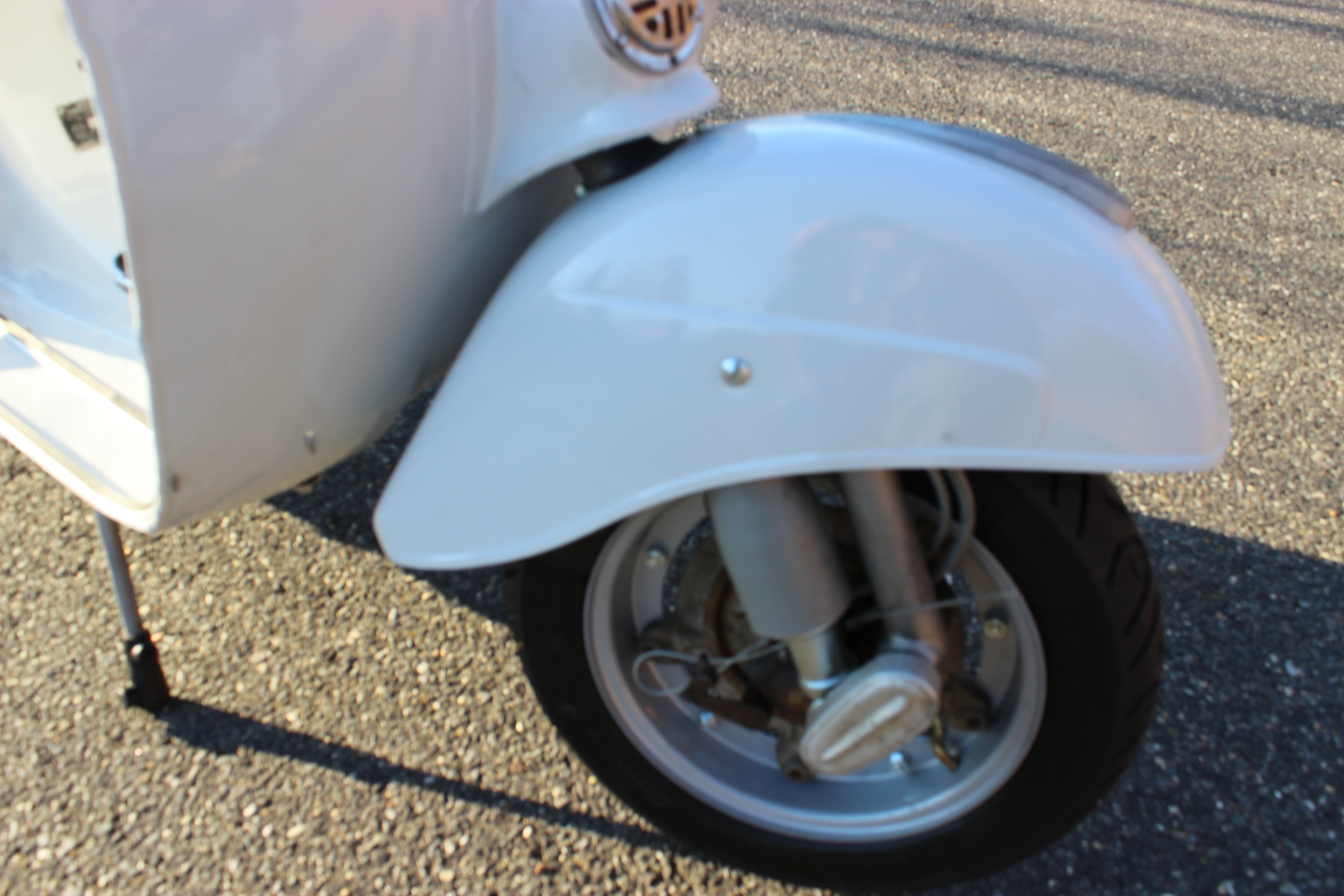
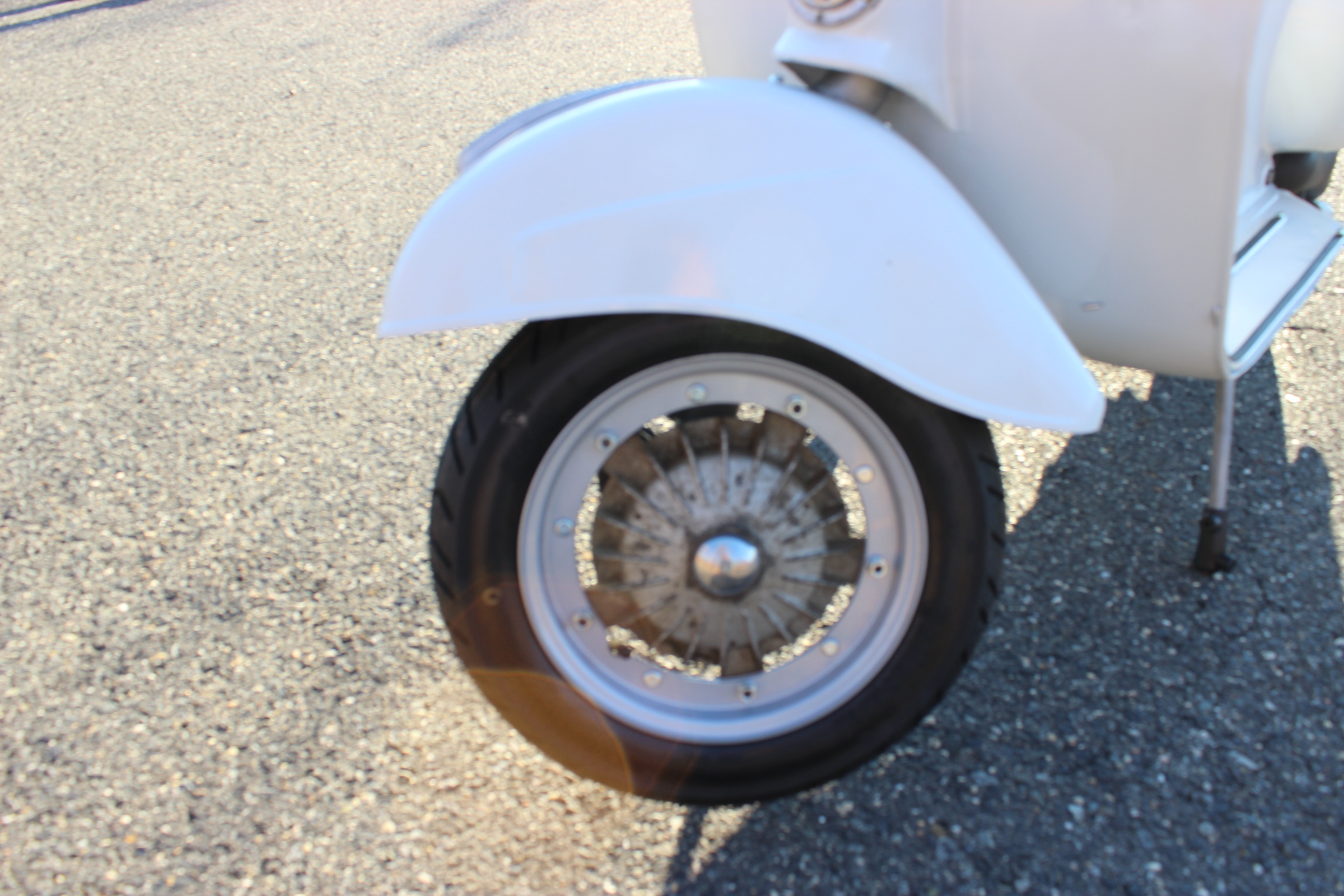
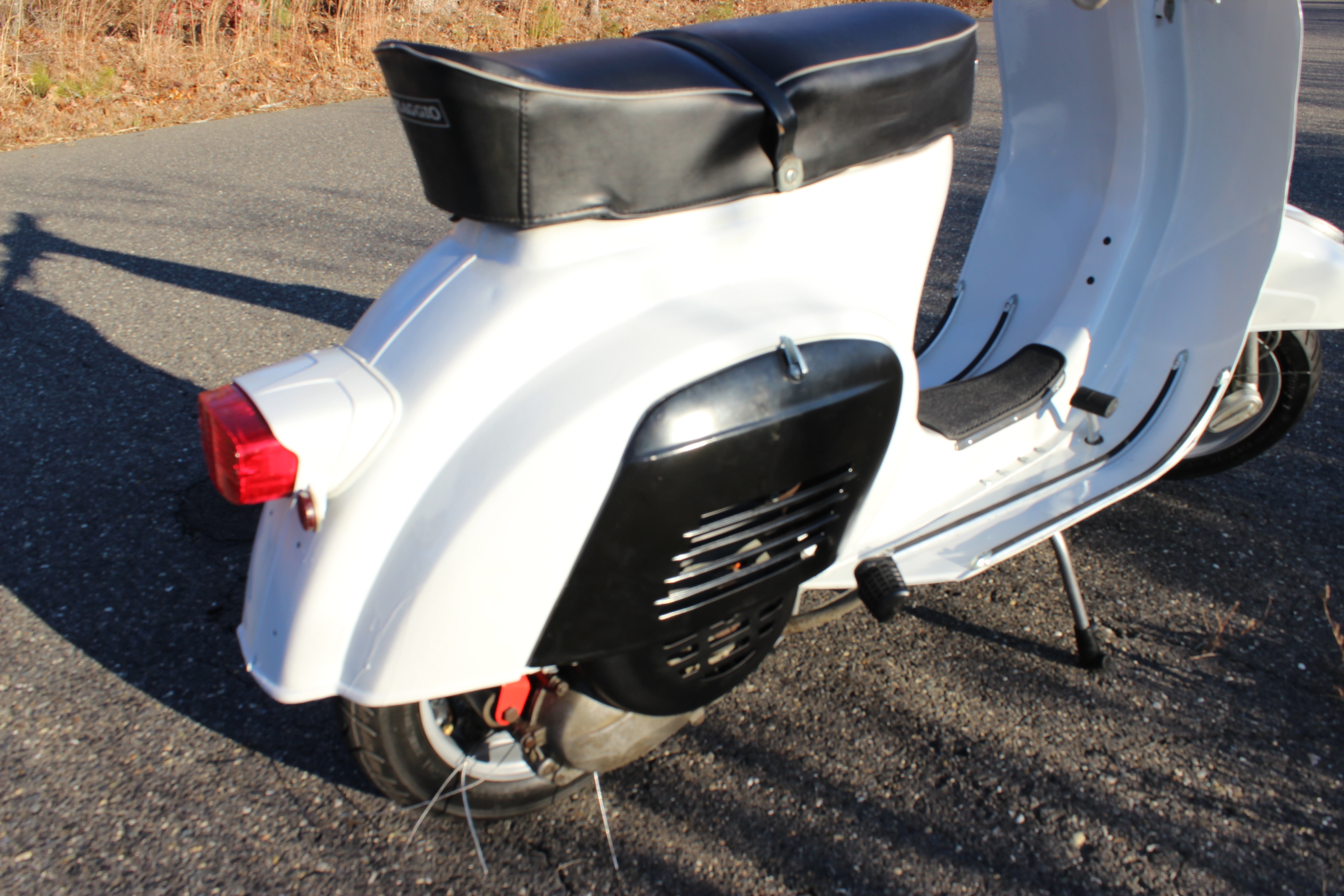
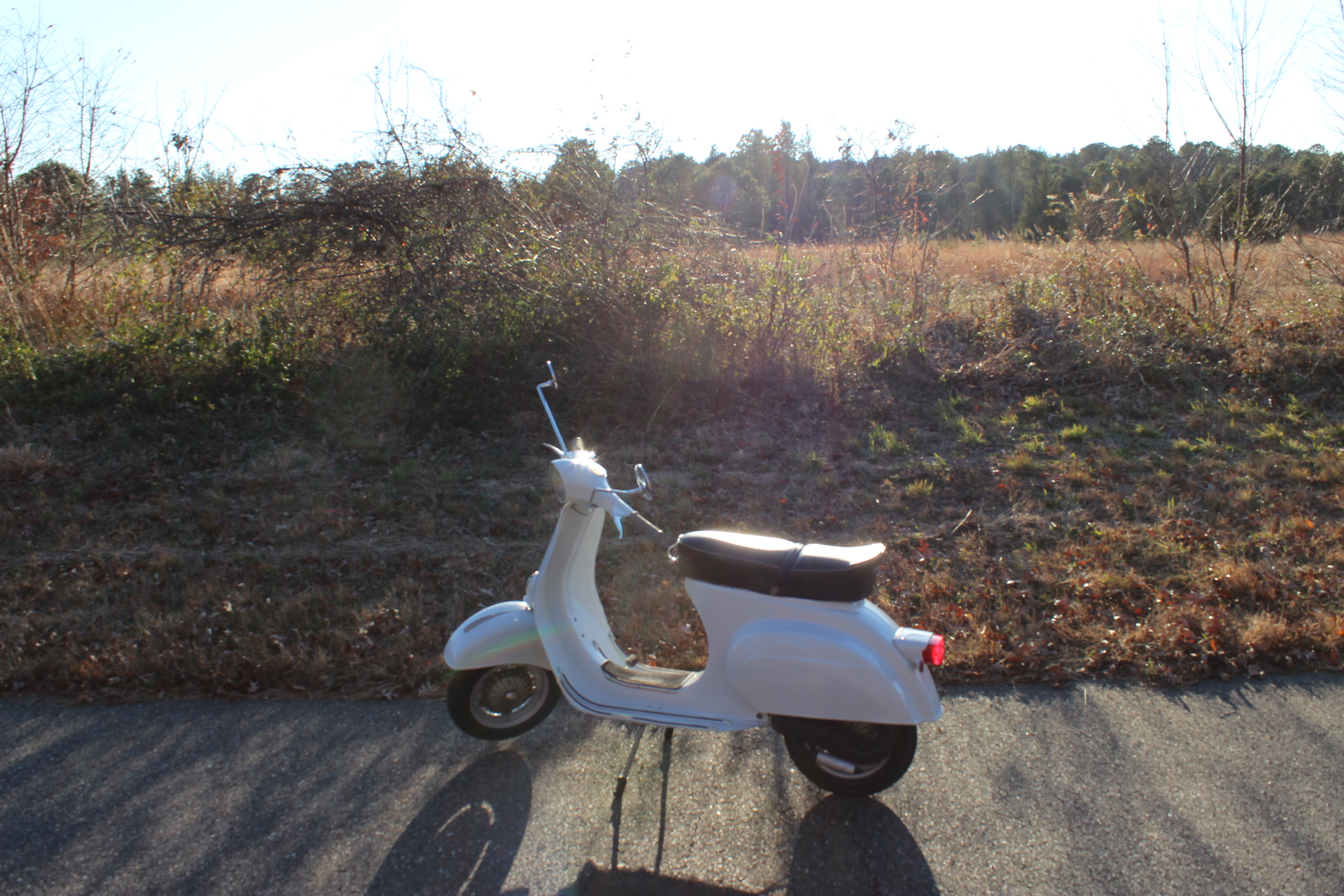
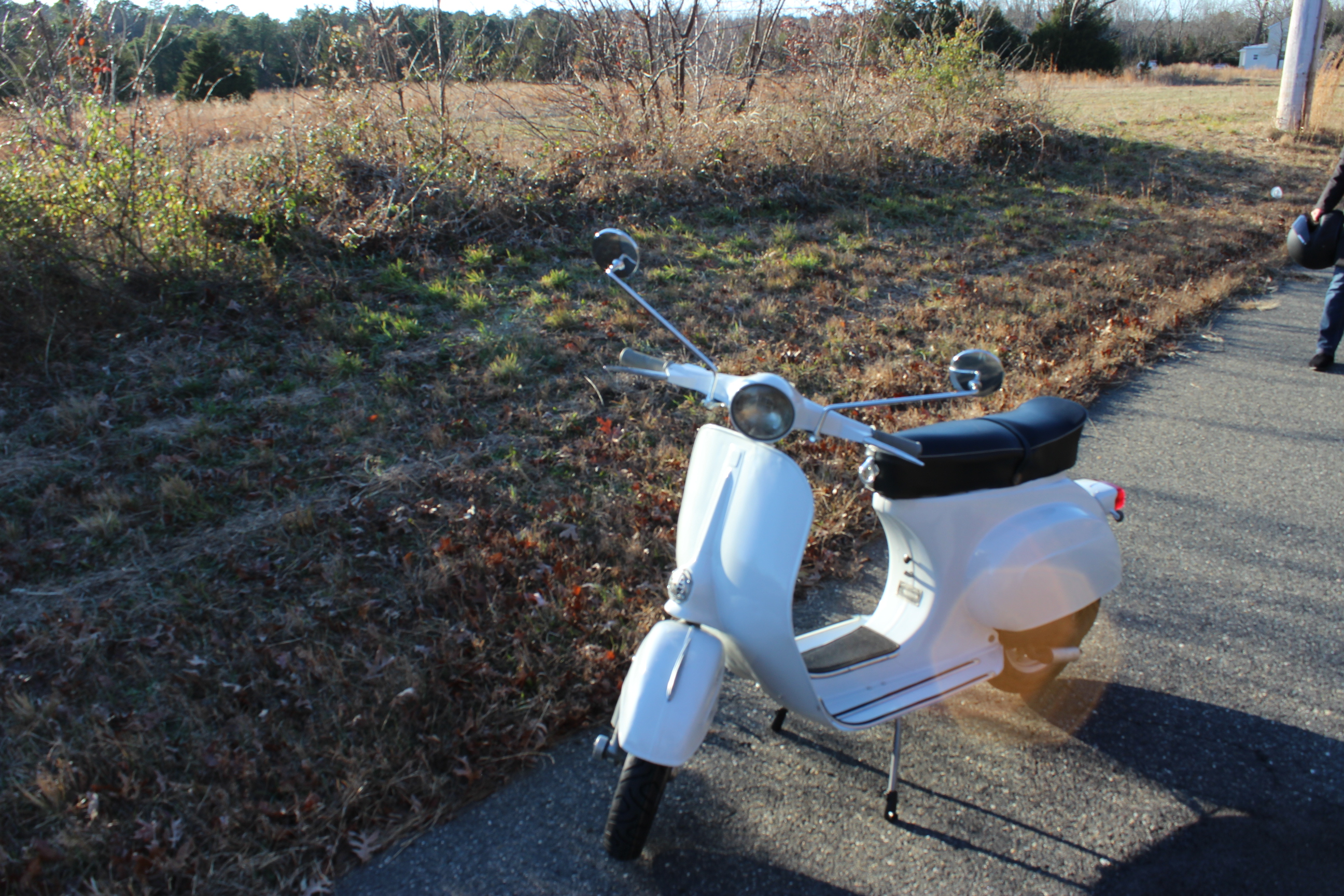
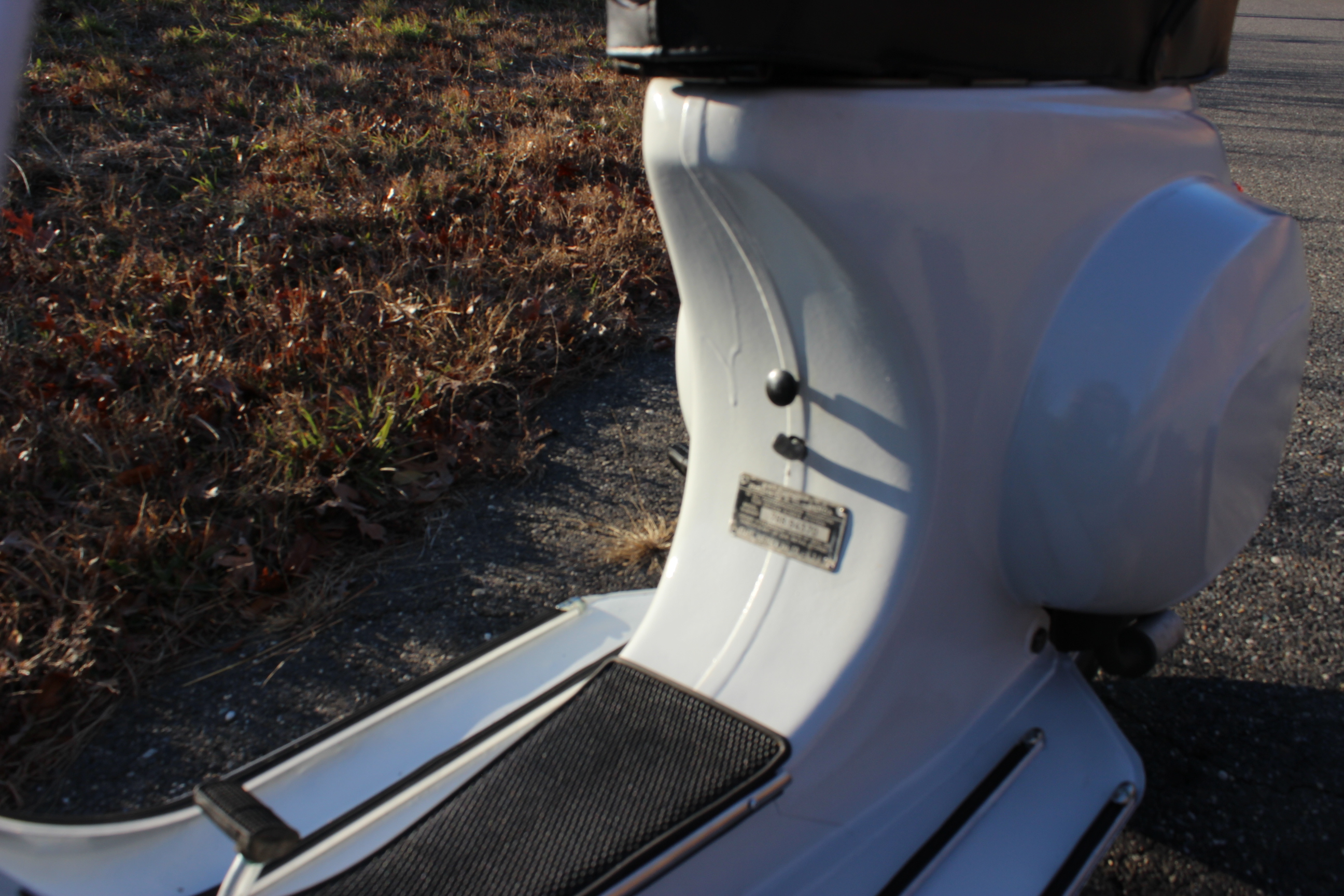
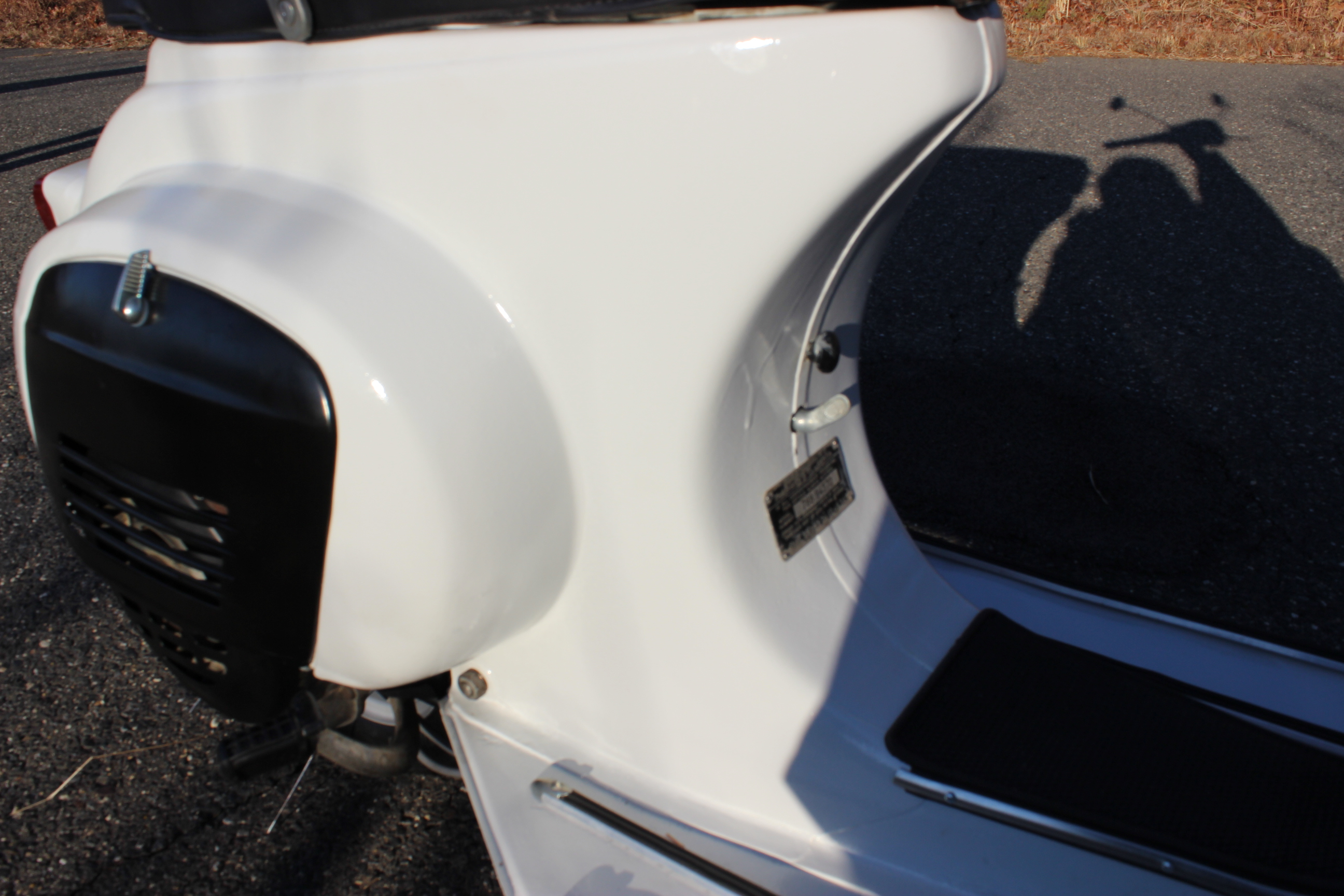
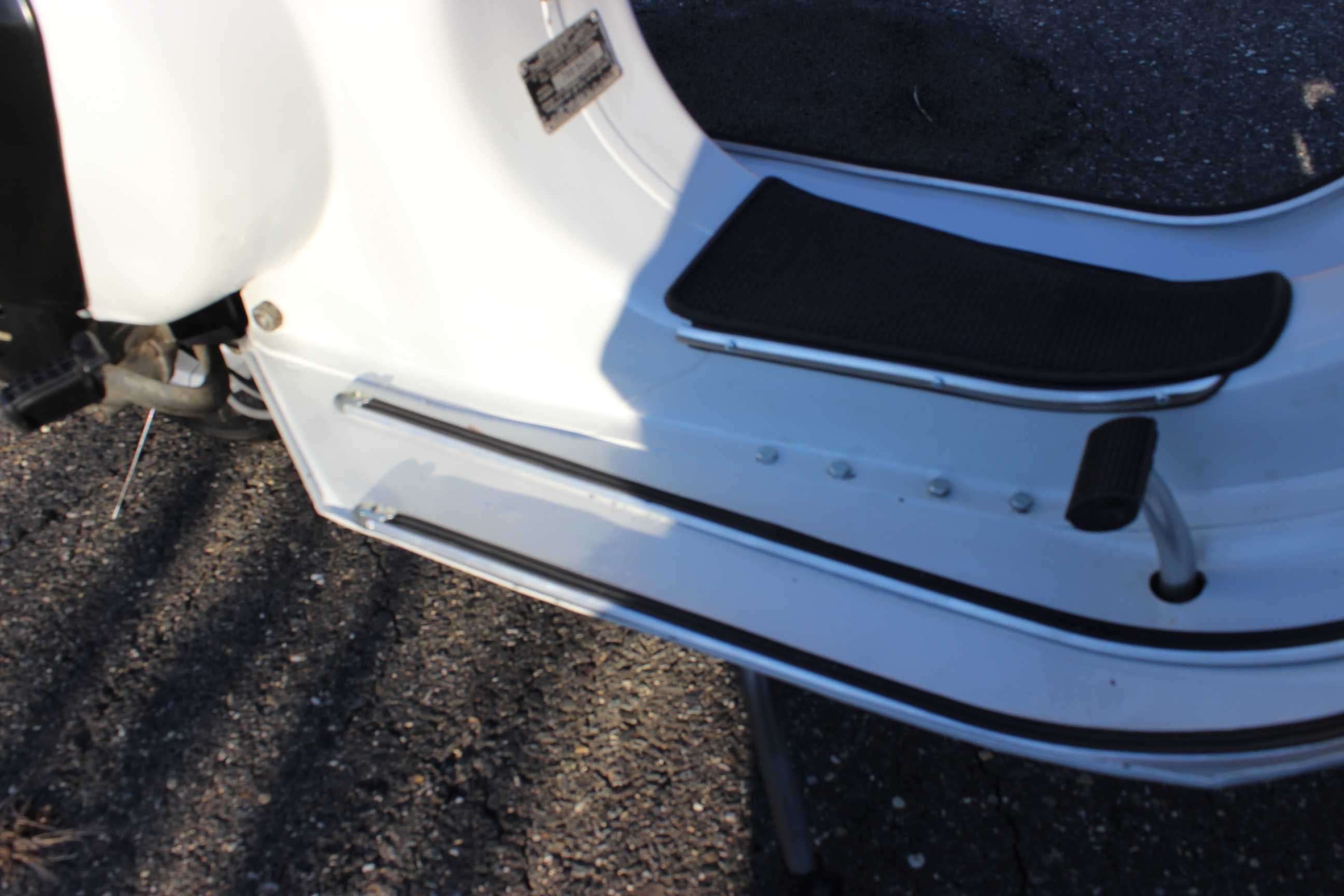
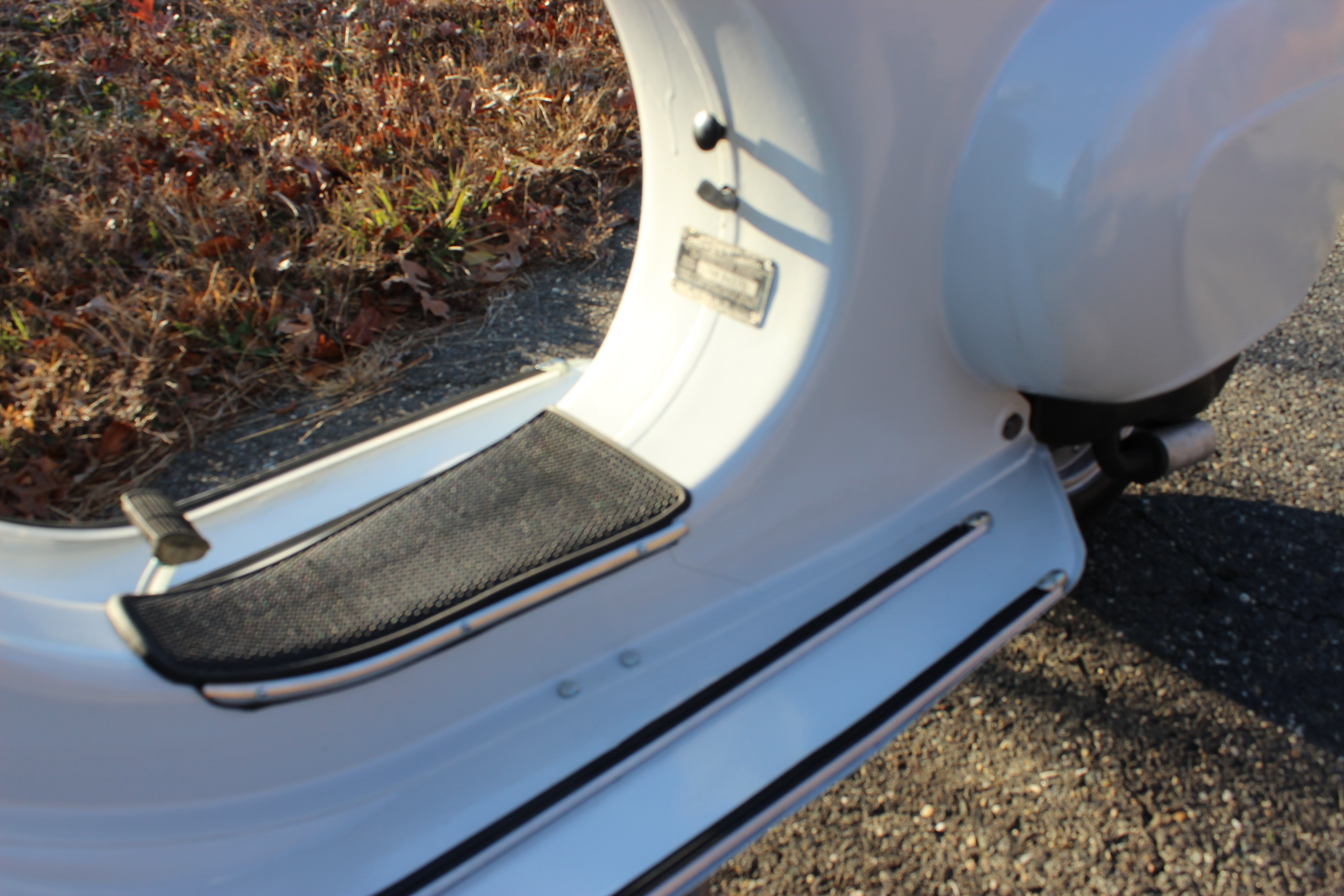
Now
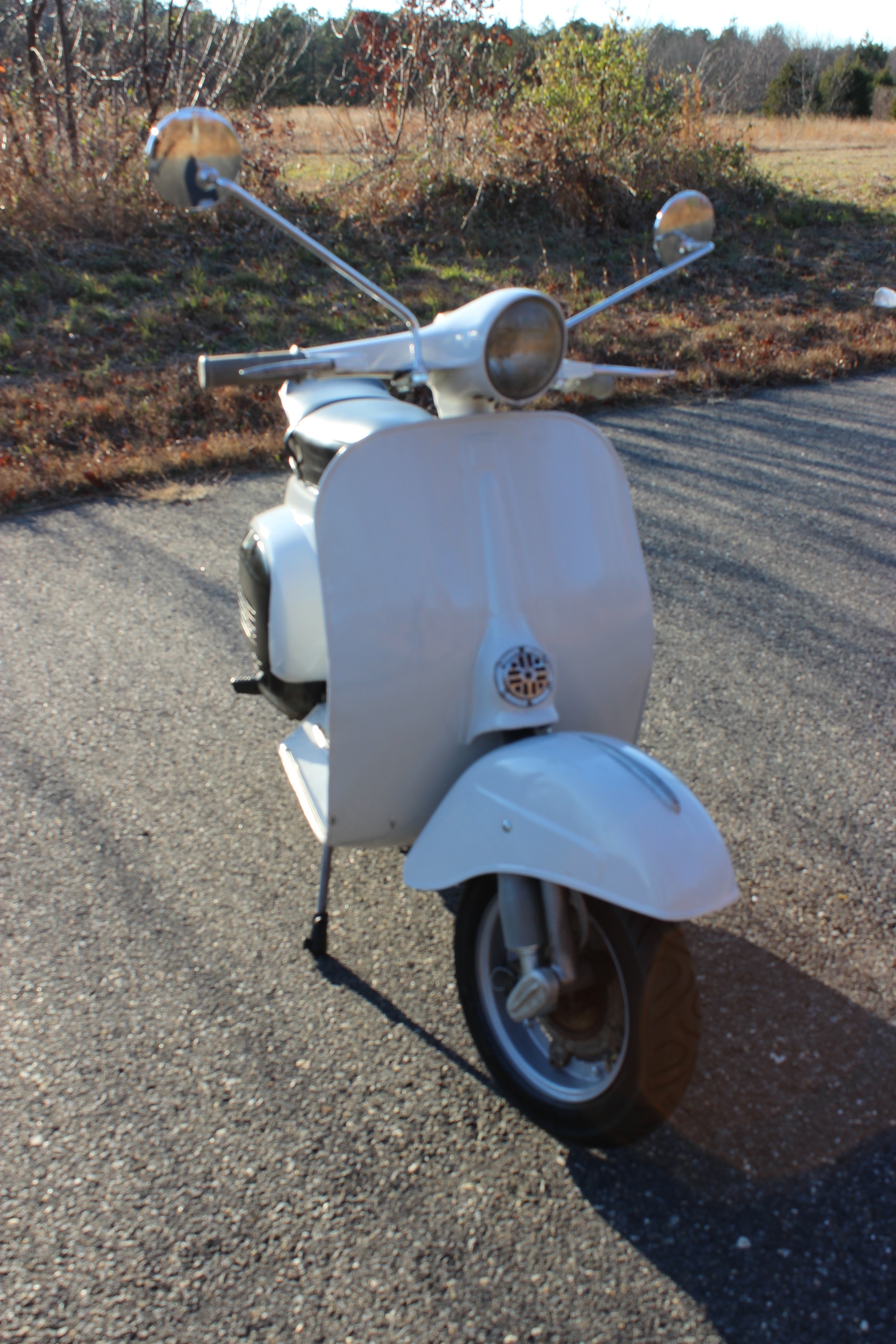
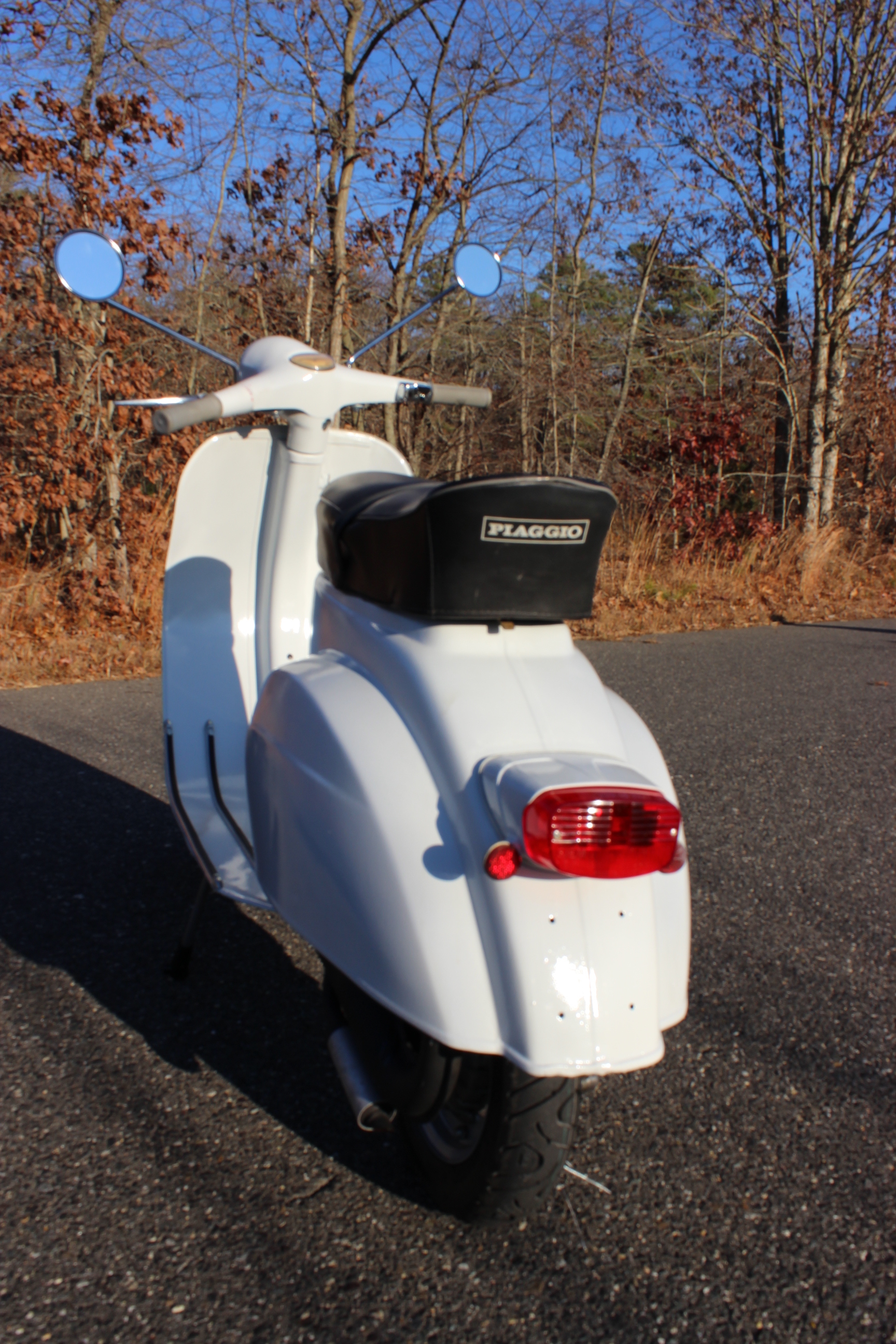
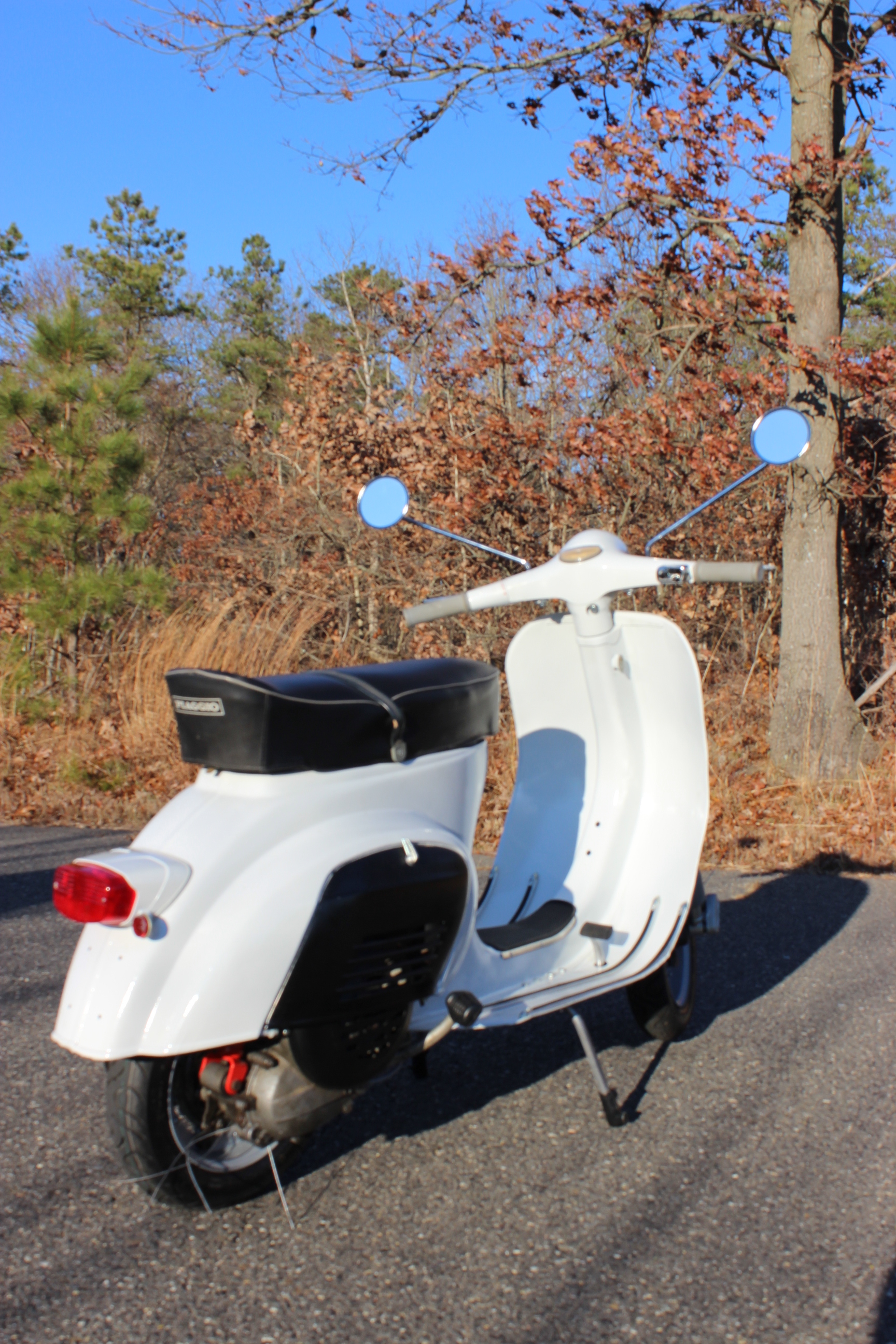
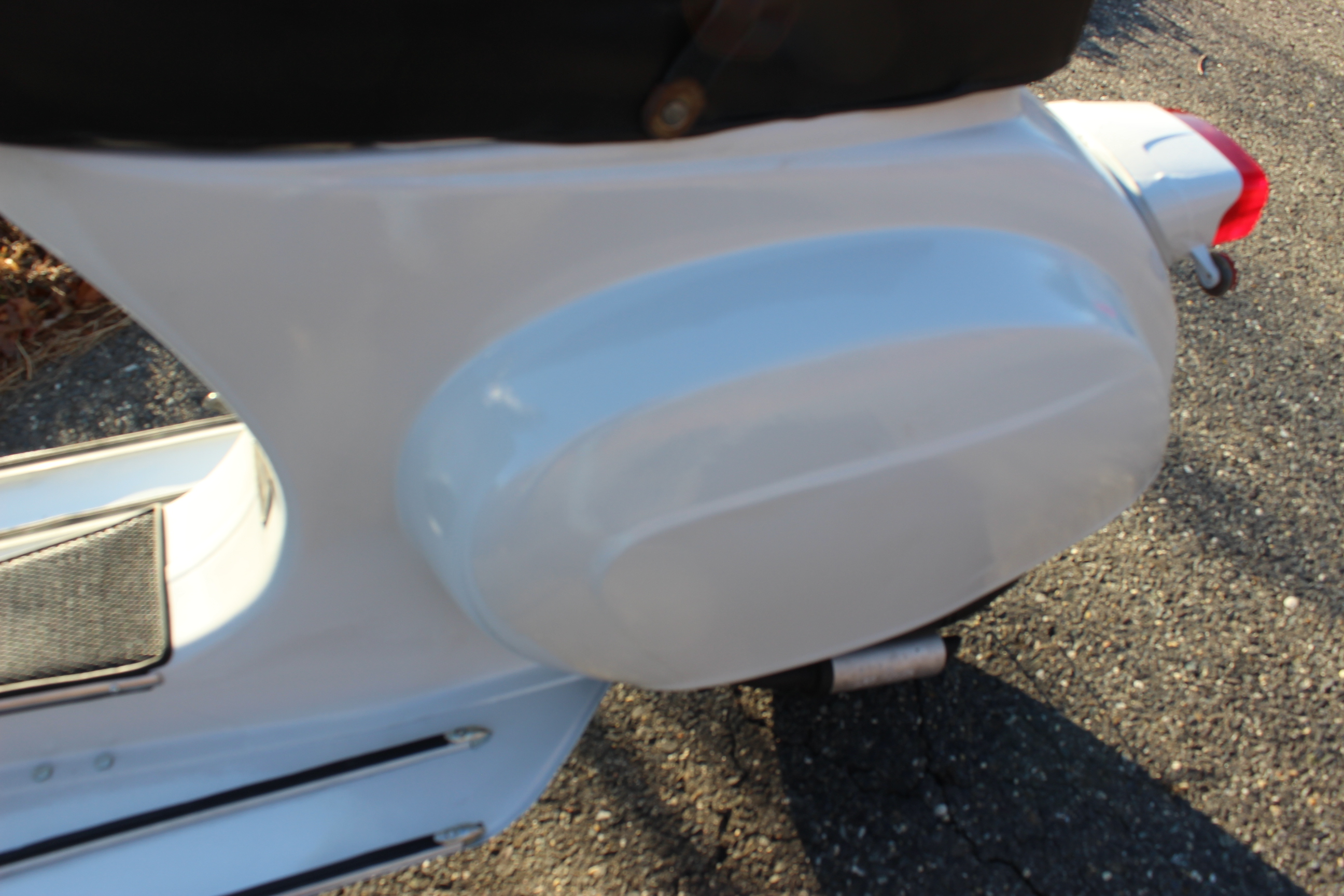
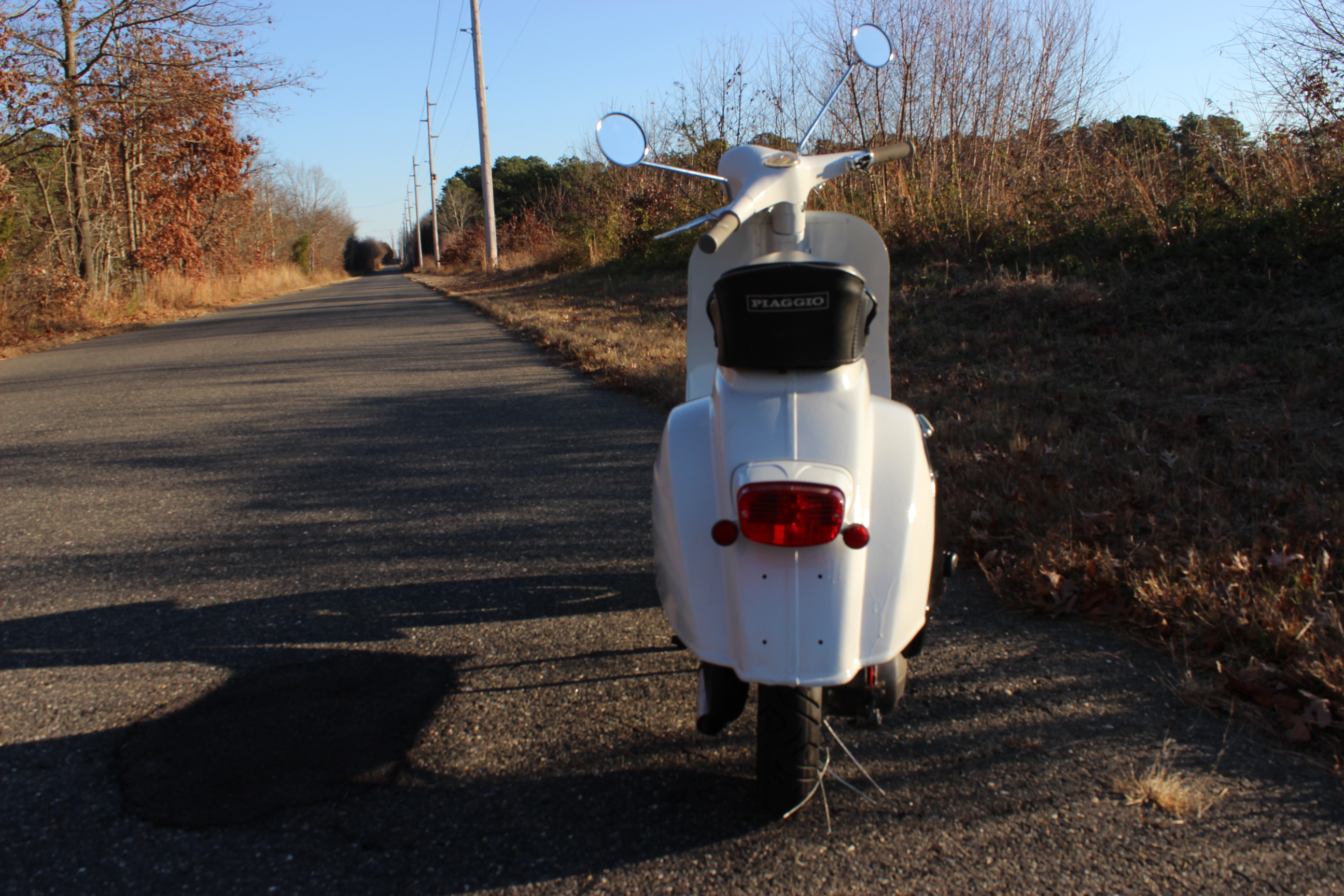
A few additional purchases later and with some careful reassembly, this smallie is looking pretty complete. That includes new rubber bits, new hardware, a pair of mirrors, a NOS Mickey Mouse lens ($40 on eBay!!!), new Carbone shocks, and a new aftermarket engine-side door.